

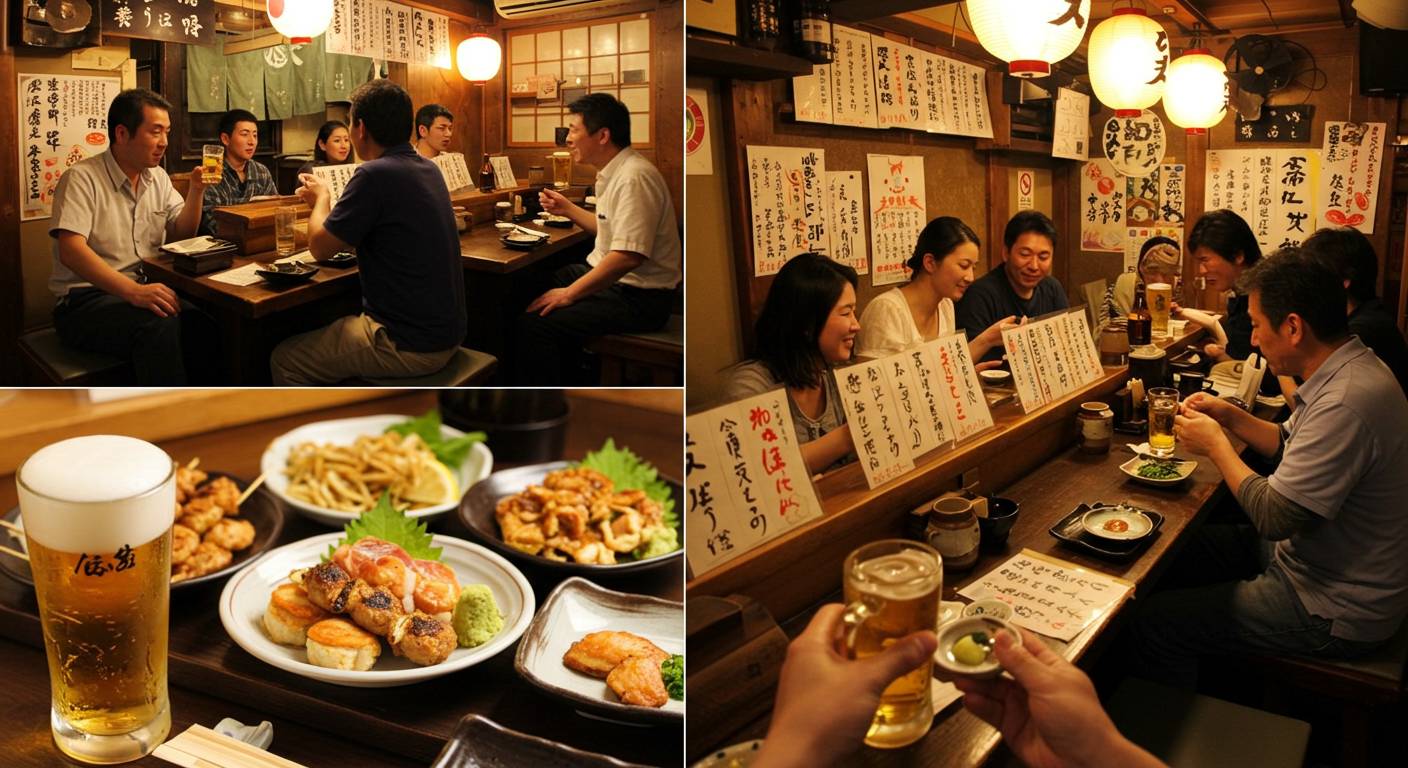
Are you planning a trip to Japan and wondering where to experience authentic Japanese food culture? Look no further than the izakaya! As a food enthusiast who’s spent countless evenings exploring these Japanese pubs, I can tell you that nothing captures the essence of Japanese social dining quite like an izakaya experience.
Izakayas are more than just places to eat and drink – they’re cultural institutions where locals unwind after work, friends celebrate special occasions, and visitors can immerse themselves in genuine Japanese hospitality. The lively atmosphere, shared plates, and flowing drinks create the perfect environment for making memories.
In this guide, I’ll take you through everything you need to know about izakayas – from the must-try dishes (yakitori skewers are a personal favorite!) to proper etiquette, and even some secret spots in Tokyo that most tourists never discover. Whether you’re a first-time visitor to Japan or a seasoned traveler, this comprehensive look at izakaya culture will enhance your Japanese culinary adventure!
1. Why IZAKAYA is the Ultimate Japanese Social Experience: Beyond Just Drinks
When exploring Japanese food culture, one cannot overlook the izakaya—a cornerstone of Japanese social life that transcends the simple definition of a “Japanese pub.” Izakayas represent much more than establishments where alcohol flows freely; they embody a comprehensive cultural experience that has shaped Japanese social interactions for centuries.
The izakaya concept revolves around “nomunication”—a blend of the Japanese word “nomu” (to drink) and “communication.” This perfectly captures the essence of these establishments as spaces where relationships are built, business deals are made, and hierarchical barriers temporarily dissolve. Unlike Western bars focused primarily on drinking, izakayas prioritize the harmony between food, drink, and social connection.
What truly distinguishes the izakaya experience is its democratic approach to dining. The small plates system encourages sharing and conversation, creating natural interaction points throughout the meal. From sizzling yakitori skewers to delicate sashimi platters, each dish arrival becomes a mini-event for the table to experience together. This continuous flow of food maintains engagement throughout the evening, unlike the more structured Western dining format.
Izakayas also function as cultural levelers in Japan’s otherwise hierarchical society. The concept of “nominication” allows colleagues to speak more freely with superiors, with many Japanese companies considering regular izakaya gatherings essential for team building. The slightly dimmed lighting, private booths, and ambient noise create an atmosphere where formality relaxes and authentic connections can form.
The diversity of izakaya establishments further enhances their cultural significance—from traditional wood-paneled venues like Gonpachi in Tokyo to modern chain operations like Torikizoku. Each offers a distinct atmosphere while maintaining the core principles of communal eating and drinking that make izakayas the quintessential Japanese social experience.
2. Top 10 IZAKAYA Dishes You Must Try on Your Japan Adventure
Exploring an izakaya without sampling its culinary treasures would be like visiting Tokyo without seeing Mount Fuji – a missed opportunity of epic proportions. These Japanese taverns offer a remarkable variety of dishes designed for sharing and pairing with drinks. Here are ten essential izakaya dishes that will transform your Japanese dining experience from ordinary to extraordinary.
1. Yakitori – These skewered chicken pieces grilled over charcoal capture the essence of izakaya dining. From juicy thigh meat (momo) to crispy skin (kawa), each skewer offers a unique flavor profile enhanced by either salt (shio) or sweet soy sauce (tare).
2. Karaage – Japanese fried chicken marinated in soy sauce, ginger, and garlic before being coated in potato starch and fried to golden perfection. The result is chicken that’s crispy outside yet remarkably juicy inside.
3. Edamame – These young soybeans boiled and sprinkled with sea salt are the perfect starter. Simple yet addictive, they’re an excellent companion to your first round of drinks.
4. Agedashi Tofu – Lightly battered and fried tofu served in a hot dashi broth with grated daikon, green onions, and bonito flakes. The contrast between the crispy exterior and silky interior creates a textural masterpiece.
5. Sashimi Moriawase – A fresh assortment of raw fish that showcases Japan’s reverence for seafood. Typically including tuna, salmon, and seasonal white fish, this dish highlights the pure flavors of the ocean.
6. Gyoza – These pan-fried dumplings filled with minced pork and vegetables offer a crispy bottom and tender top. Dipped in a mixture of soy sauce, vinegar, and chili oil, they’re impossible to resist.
7. Takoyaki – Golden spheres of batter filled with octopus pieces, tempura scraps, and green onion. Topped with takoyaki sauce, mayonnaise, bonito flakes, and aonori seaweed, these balls are a flavor explosion.
8. Dashimaki Tamago – A sweet and savory rolled omelette made with dashi stock. The multiple thin layers create a distinctive texture that elevates this dish beyond ordinary eggs.
9. Hokke – Grilled mackerel that’s typically served whole. Its rich, oily flesh becomes wonderfully flavorful when grilled, offering a perfect balance to lighter dishes.
10. Nasu Dengaku – Eggplant grilled until tender then glazed with sweet miso paste. This vegetarian option showcases how izakayas can transform humble ingredients into memorable dishes.
Each izakaya has its own specialties, so don’t hesitate to ask staff for their recommendations or “osusume.” The best approach is to order a few dishes to start, then continue ordering as your meal progresses. This allows you to pace your dining experience while discovering new favorites throughout the evening.
Remember that izakaya dining is as much about the social experience as it is about the food. These shareable plates create natural conversation points and opportunities to connect with your dining companions – exactly as Japanese dining culture intends.
3. IZAKAYA Etiquette: How to Dine Like a Local in Japan
Entering a Japanese izakaya for the first time can be both exciting and intimidating. These lively establishments have their own set of unwritten rules that locals follow instinctively. To help you navigate this cultural dining experience with confidence, here’s a comprehensive guide to izakaya etiquette.
Upon arrival, you’ll likely hear a chorus of “Irasshaimase!” (Welcome!) from the staff. A simple nod in acknowledgment is perfectly acceptable. Most izakayas offer two seating options: counter seats for solo diners or small groups, and tables for larger parties. If you’re with friends, consider requesting a “horigotatsu” table – a traditional low table with a recessed floor for comfortable legroom.
Start your izakaya experience with a round of drinks. It’s customary to wait until everyone has been served before raising your glass for a toast of “Kanpai!” When pouring drinks, always serve others first – never fill your own glass. Your companions will return the favor, ensuring your glass stays full throughout the evening.
When ordering food, remember that izakaya dining is about sharing. Most establishments offer a variety of small plates designed for communal eating. Popular choices include yakitori (grilled chicken skewers), karaage (Japanese fried chicken), edamame, and sashimi. Order a few dishes to start, then continue ordering as the night progresses. This gradual approach to dining, known as “tsumami,” allows for a leisurely social experience.
Using chopsticks correctly is essential. Never stick them vertically into a bowl of rice (this resembles funeral rituals) or pass food directly from your chopsticks to someone else’s. Instead, use the serving utensils provided or the wide end of your chopsticks when taking food from shared plates.
At Torikizoku, a popular izakaya chain known for its affordable yakitori, customers typically order using a tablet or paper menu. At more traditional establishments like Shoya in Tokyo, you might need to call out “Sumimasen!” (Excuse me!) to get your server’s attention.
When it comes to payment, izakayas typically don’t split bills, so be prepared to pay as a group. Many establishments charge a small seating fee (otōshidai) that includes a small appetizer. This practice is standard, not a tourist trap.
Finally, while tipping is not expected in Japan, showing appreciation through polite language is valued. A simple “Gochisōsama deshita” (Thank you for the meal) as you leave will be met with warm smiles from the staff.
By following these etiquette guidelines, you’ll not only show respect for Japanese customs but also enhance your izakaya experience, allowing you to dine confidently alongside locals in these vibrant social hubs.
4. From Yakitori to Sake: Your Complete Guide to IZAKAYA Menus
Navigating an izakaya menu can be both exciting and overwhelming for first-timers. These Japanese pubs offer a vast array of dishes designed for sharing, with flavors that capture the essence of Japanese culinary traditions.
Yakitori stands as the quintessential izakaya offering – skewers of grilled chicken parts seasoned with either salt (shio) or a sweet-savory sauce (tare). From juicy thigh meat (momo) to crispy skin (kawa) and even more adventurous options like heart (hatsu), each skewer showcases different textures and flavors. At establishments like Torikizoku, a popular chain, yakitori is served fresh off the grill at reasonable prices.
Sashimi and seafood dishes provide lighter options. Fresh cuts of tuna, salmon, and seasonal fish are artfully presented alongside creative seafood preparations. Takoyaki (octopus balls) and karaage (Japanese fried chicken) represent the addictive fried category of izakaya fare – crispy, flavorful, and perfect with cold beer.
Vegetable dishes shouldn’t be overlooked. Edamame (steamed soybeans) serve as the classic starter, while nasu dengaku (miso-glazed eggplant) and various seasonal vegetable preparations offer balance to heavier options. Rice and noodle dishes typically appear toward the end of the meal – from simple onigiri (rice balls) to heartier portions of yakisoba (stir-fried noodles).
The beverage selection is equally important to the izakaya experience. Beer – particularly nama biiru (draft beer) – flows freely, with major brands like Asahi, Kirin, and Sapporo dominating. Sake ranges from dry to sweet, served either chilled, at room temperature, or warm depending on the variety and season. Don’t miss shochu, a distilled spirit made from ingredients like sweet potato, barley, or rice, often enjoyed on the rocks or with water.
Many izakayas offer tabehodai (all-you-can-eat) or nomihodai (all-you-can-drink) options for set time periods – excellent value for groups. When ordering, “omakase” (chef’s choice) allows you to experience the establishment’s specialties without the pressure of menu translation.
At authentic izakayas like Shinsuke in Tokyo or Asadachi in Shinjuku, servers may help guide your selections, suggesting combinations that balance flavors and textures. Remember that izakaya dining is meant to be leisurely – dishes arrive as they’re prepared rather than all at once, encouraging conversation and relaxation throughout the evening.
5. Hidden IZAKAYA Gems in Tokyo That Tourists Never Find
Beyond the neon lights and tourist-filled streets of Tokyo lie some of the city’s most authentic izakaya experiences. These hidden gems offer the true essence of Japanese social dining that most visitors never discover. While guidebooks might direct you to popular spots in Shinjuku or Shibuya, true izakaya connoisseurs know that the most memorable experiences await in the backstreets and residential neighborhoods.
In the labyrinthine alleys of Sangenjaya, Savoy stands as a testament to traditional yakitori craftsmanship. This tiny six-seat counter establishment has no English menu and no website, making it virtually invisible to most foreign visitors. The master grills each skewer to perfection over binchotan charcoal, creating a smoky aroma that fills the intimate space.
Tucked away in a basement near Yotsuya Station, Kagaya defies conventional izakaya expectations. Owner Mark Kagaya transforms dining into performance art with his unusual serving style and theatrical presentations. Reservations are essential, and those lucky enough to secure a spot are sworn to secrecy about the specifics of the experience.
For sake enthusiasts, Buri in Ebisu offers one of Tokyo’s most impressive selections of regional nihonshu. This standing-only establishment might intimidate non-Japanese speakers, but the friendly owner communicates through the universal language of good food and drink, often pouring complimentary samples for interested patrons.
In residential Koenji, Shirube occupies a converted traditional home where the okami-san (female proprietor) serves home-style dishes rarely found on tourist menus. Her seasonal ohitashi (blanched vegetables with dashi) and hand-made tsukune (chicken meatballs) represent the soul of Japanese comfort food.
Perhaps the most elusive of all is Yoshicho in Kanda, operating continuously since 1932. This third-generation establishment serves Shitamachi (old Tokyo) classics in a space that has remained virtually unchanged for decades. Finding the unmarked wooden door requires determination, but those who persist are rewarded with dishes prepared according to recipes passed down through generations.
What these establishments share is an unwavering commitment to Japanese hospitality principles. Unlike tourist-oriented establishments, these izakayas prioritize regular customers and authentic experiences over accessibility. While language barriers exist, a respectful attitude and willingness to embrace local customs will often earn visitors a warm welcome.
The next time you visit Tokyo, consider venturing beyond the guidebook recommendations. These hidden izakayas offer not just meals, but windows into Japanese social culture that most tourists never experience.

美味しさを全てのお客様へ 焼き師の熟年技とこだわりのお酒で唯一のひと時を
やきとり家 だいご匠 箱根強羅
四季折々の景観の居酒屋で焼き職人の絶品を味わえる
この記事へのコメントはありません。