

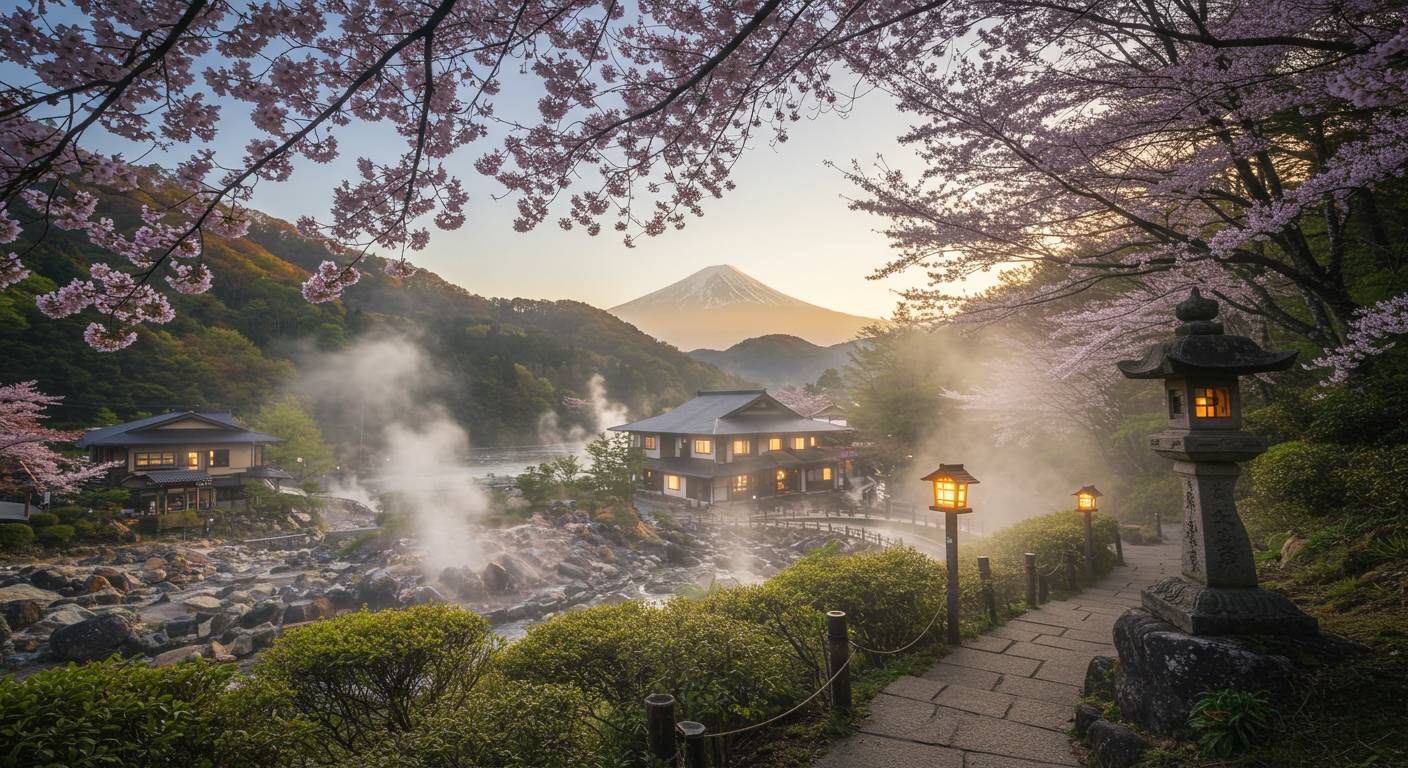
Have you ever wanted to escape the crowded tourist spots in Japan and discover something truly special? While millions flock to Tokyo, Kyoto, and Osaka, there’s a magical mountain retreat that remains largely untouched by international tourism – GORA. As someone who’s spent countless weekends exploring Japan’s hidden gems, I can confidently say that GORA offers one of the most authentic Japanese mountain experiences you’ll find anywhere.
Nestled in the mountains of Hakone, GORA combines natural hot springs, breathtaking scenery, and traditional Japanese hospitality in a way that feels worlds apart from the bustling cities. What makes this place truly special isn’t just its stunning views or relaxing onsen – it’s the genuine Japanese atmosphere that hasn’t been diluted by mass tourism.
In this guide, I’ll take you through everything that makes GORA the perfect mountain getaway – from secret viewpoints that will transform your Instagram feed to local culinary experiences that will tantalize your taste buds. Whether you’re planning your first trip to Japan or your twentieth, GORA deserves a spot on your itinerary. Let’s explore this hidden treasure together and discover why it might just become your new favorite destination in Japan.
1. Uncovering GORA: Japan’s Secret Mountain Paradise Most Travelers Miss
Nestled in the mountains of Hakone, GORA remains one of Japan’s best-kept secrets. While tourists flock to Tokyo, Kyoto, and even parts of Hakone, this mountainous haven sits quietly, offering authentic Japanese experiences without the overwhelming crowds. GORA station, accessible via the picturesque Hakone Tozan Railway, serves as the gateway to this hidden paradise. As the train climbs through lush forests and crosses bridges spanning deep valleys, visitors get their first taste of GORA’s natural splendor.
What makes GORA truly special is its perfect balance of natural beauty and cultural richness. The area boasts numerous hot springs (onsen) where visitors can soak in mineral-rich waters while gazing at mountain vistas. The Hakone Open-Air Museum in GORA showcases an impressive collection of sculptures set against the backdrop of mountains, creating a unique art experience that harmonizes human creativity with natural beauty.
For those seeking traditional Japanese aesthetics, GORA Park offers meticulously maintained Japanese gardens complete with tea houses where you can participate in authentic tea ceremonies. Meanwhile, the nearby GORA Onsen district features ryokans (traditional Japanese inns) where guests sleep on futons laid on tatami floors and enjoy kaiseki cuisine – multi-course meals that change with the seasons.
Unlike more commercialized tourist destinations, GORA maintains its authentic charm. Local craft shops sell handmade pottery, woodwork, and other traditional crafts that make meaningful souvenirs. The area’s relative obscurity means interactions with locals tend to be genuine rather than transactional, offering glimpses into everyday Japanese life that many tourists never experience.
Whether you’re watching cherry blossoms in spring, enjoying the cool mountain air in summer, witnessing the spectacular fall foliage, or experiencing the serene snow-covered landscape in winter, GORA offers year-round appeal that deserves a place on any discerning traveler’s itinerary. This hidden gem awaits those willing to venture beyond the standard tourist path.
2. Why GORA Should Be Your Next Japanese Mountain Getaway
Tucked away in the heart of Hakone lies GORA, a mountain sanctuary that offers everything the discerning traveler seeks but rarely finds in one location. While Tokyo and Kyoto dominate tourist itineraries, GORA remains a relatively untapped gem that combines natural splendor with cultural richness.
What sets GORA apart from other mountain destinations in Japan is its perfect balance of accessibility and seclusion. Just 90 minutes from Tokyo via the Odakyu Romance Car express train, this highland retreat offers a seamless escape from urban chaos without requiring extensive travel planning or multiple connections.
The area boasts some of Japan’s most therapeutic hot springs, with mineral-rich waters that locals have treasured for centuries for their healing properties. After a day of exploration, nothing compares to soaking in an outdoor onsen with panoramic mountain views as steam rises around you in the cool mountain air.
Nature enthusiasts will find paradise in GORA’s surrounding landscape. The Hakone Open-Air Museum merges art with nature in spectacular fashion, while the nearby volcanic valley of Owakudani offers otherworldly vistas and the chance to try the famous black eggs cooked in natural sulfuric waters, said to add seven years to your life.
Accommodation options range from traditional Japanese ryokans like Gora Kadan, where you can experience impeccable omotenashi (Japanese hospitality), to modern luxury hotels such as Hakone Gora Byakudan featuring private in-room hot spring baths. Each property embraces the mountainside setting with thoughtful architecture that frames the natural beauty outside.
Culinary experiences in GORA elevate local ingredients through both traditional and innovative preparations. Seasonal kaiseki dining showcases the bounty of the mountains, while cafés like Naraya Café offer modern interpretations of Japanese classics using locally sourced produce.
Unlike more developed mountain resorts, GORA maintains an authentic atmosphere where you can still feel connected to traditional Japan. The gentle clicking of the Hakone Tozan switchback train as it climbs the mountain, the morning mist hanging over Japanese gardens, and the respectful quietness that pervades the area all contribute to a sense of timelessness rarely found in more commercialized destinations.
For those seeking to experience Japan beyond the obvious, GORA offers that perfect blend of natural beauty, cultural depth, and accessible luxury that makes for a truly memorable mountain getaway.
3. Beyond Tokyo: How GORA Became My Favorite Mountain Escape in Japan
After weeks of navigating Tokyo’s concrete jungle, I found myself craving the embrace of nature. That’s when I discovered Gora, a mountain paradise nestled in Hakone that transformed my Japanese travel experience forever. Unlike the tourist-packed streets of Kyoto or the bustling energy of Osaka, Gora offers a tranquil alternative that feels authentically Japanese yet remains surprisingly accessible.
Just a 90-minute journey from Tokyo, Gora presents the perfect balance between convenience and escape. The moment you step off the Hakone Tozan Railway – Japan’s oldest mountain railway with its charming switchback system – you’re transported to another world. The crisp mountain air fills your lungs as the urban stress melts away.
What makes Gora exceptional is its natural hot springs. My first evening at Gora Kadan, a former imperial retreat transformed into a ryokan, involved soaking in a private outdoor onsen while gazing at ancient maple trees. The mineral-rich waters work magic on tired muscles, especially after hiking the nearby volcanic trails of Owakudani.
The Open Air Museum should be on everyone’s itinerary – where else can you experience world-class sculpture installations against the backdrop of misty mountains? Picasso pieces and Henry Moore sculptures take on new meaning when viewed in this natural gallery setting.
Seasonal beauty adds another dimension to Gora’s appeal. Spring brings cherry blossoms cascading down mountainsides, summer offers cool refuge from lowland heat, autumn transforms the landscape with fiery maples, and winter creates a serene snowscape perfect for enjoying hot springs.
Culinary experiences in Gora highlight regional specialties. The kaiseki dinner at Hakone Airu featured mountain vegetables I’d never encountered before, each course paired with locally produced sake. For a casual meal, the black eggs of Owakudani – boiled in volcanic waters and said to add seven years to your life – make for both a memorable snack and a great photo opportunity.
For accommodation, options range from luxury ryokans like Gora Hanaougi where traditional hospitality reaches art form status, to boutique hotels like Hakone Fuga with more contemporary comforts. My three-night stay felt simultaneously too short yet deeply restorative – the mark of a truly special destination.
What remains with me about Gora is how it offers an authentic Japanese mountain experience without requiring advanced language skills or complicated travel arrangements. It’s accessible yet uncrowded, traditional yet comfortable. As Tokyo’s skyscrapers faded in the distance, I realized I’d found my perfect Japanese mountain sanctuary – and wondered why more travelers hadn’t yet made the same discovery.
4. 10 Breathtaking Views That Make GORA Japan’s Best-Kept Mountain Secret
When travelers discuss Japan’s scenic mountains, places like Fuji and Hakone often dominate the conversation. However, GORA offers spectacular panoramas that rival—and sometimes surpass—those of its more famous neighbors. These hidden viewpoints provide photographers and nature enthusiasts with frame-worthy scenes that capture Japan’s natural majesty.
The Hakone Ropeway view from GORA Station presents an unparalleled vista of Mount Fuji reflected in Lake Ashi on clear days. This postcard-perfect scene changes dramatically through seasons—framed by cherry blossoms in spring, lush greenery in summer, fiery foliage in autumn, and snow in winter.
At Sengokuhara Pampas Glass Fields, golden waves of grass dance in the mountain breeze during fall months. The sight of these illuminated grasses against the backdrop of GORA’s mountains creates a mystical landscape that feels otherworldly at sunset.
The Owakudani Valley viewpoint reveals nature’s raw power with its active volcanic zone. Visitors witness steam vents and bubbling pools while enjoying panoramic views of the surrounding Hakone region from this geothermal wonder.
From Hakone Open-Air Museum’s observation deck, art meets nature as sculptural masterpieces frame mountain vistas. This unique perspective combines human creativity with natural beauty in a way few other viewpoints can match.
The Miyagino Forest Trail offers intimate glimpses of ancient woodland alongside mountain streams. These secluded pathways reveal seasonal wildflowers and occasionally, glimpses of native wildlife against mountain backdrops.
At Choanji Temple’s hillside position, visitors discover spiritual tranquility alongside scenic beauty. The temple’s observation point frames GORA’s mountains through traditional Japanese architecture, creating a culturally rich visual experience.
Gora Park’s meticulously maintained French-inspired gardens provide foreground elegance to mountain scenery. The formal landscaping creates striking contrast with wild mountain backdrops, particularly when roses bloom alongside alpine views.
The Little Prince Museum’s Star Hill offers a whimsical vantage point where literary magic meets natural splendor. This charming spot provides intimate views of surrounding peaks that feel particularly enchanting during evening hours.
For those seeking complete immersion, Hakone Gora Onsen Spa provides open-air bathing with mountain panoramas. Soaking in mineral-rich waters while gazing at mist-shrouded peaks creates a sensory experience unique to GORA.
Finally, the hidden Daimonjiyama Trail summit rewards hikers with a 360-degree view encompassing Lake Ashi, Mount Fuji, and the Pacific Ocean on exceptionally clear days. This lesser-known trail offers photographers the ultimate GORA panorama without the crowds found at more publicized viewpoints.
5. The Ultimate Guide to Experiencing GORA Like a Local, Not a Tourist
To truly experience Gora like a local, you need to step away from the typical tourist trail and immerse yourself in the authentic rhythm of this mountain haven. While most visitors rush through Gora as merely a transit point to Hakone’s hot springs, those in the know understand that this charming area deserves dedicated exploration.
Start your morning like locals do – with an early visit to Gora Park when mist still clings to the mountainside. The rose garden is particularly enchanting before the tour buses arrive, offering a serene space for contemplation. Bring a thermos of green tea and find a quiet bench to watch the gardeners tend to the meticulously maintained grounds.
For an authentic meal, bypass the tourist-oriented restaurants and head to Tamura, a family-run establishment where the menu changes daily based on seasonal ingredients. Their homestyle nabemono (hotpot) is legendary among residents, especially during cooler months. Don’t be surprised if you’re the only non-Japanese patron – that’s precisely the point.
Local transportation knowledge is essential. While tourists line up for the Hakone Tozan cablecar, residents often use the local bus network, which offers more frequent service and access to hidden neighborhoods. Purchase a Hakone Free Pass from Odakyu for unlimited rides and significant savings.
Accommodation-wise, forego the large resorts for minshuku (family-run guesthouses) where hosts share insider knowledge. Gora Hanaougi offers a particularly authentic experience with private onsen baths and incredible mountain views without the premium pricing of better-known properties.
Timing is everything – locals avoid weekends and national holidays when crowds from Tokyo descend upon the region. A midweek visit during shoulder seasons (late spring or early autumn) provides the perfect balance of pleasant weather and minimal crowds.
Evening activities should include a soak in a sento (public bath) rather than just your hotel’s facilities. Locals gather at these community hubs, and while there’s an etiquette to follow, it’s where you’ll experience the true social fabric of mountain life. Gora Tensui offers a particularly spectacular evening bathing experience with Mount Fuji views on clear days.
Rather than rushing through attractions, adopt the Japanese concept of “ichigoichie” (one time, one meeting) – the understanding that each moment is unique and should be savored. This mindset transforms a simple visit into a profound connection with one of Japan’s most mesmerizing mountain retreats.
この記事へのコメントはありません。