

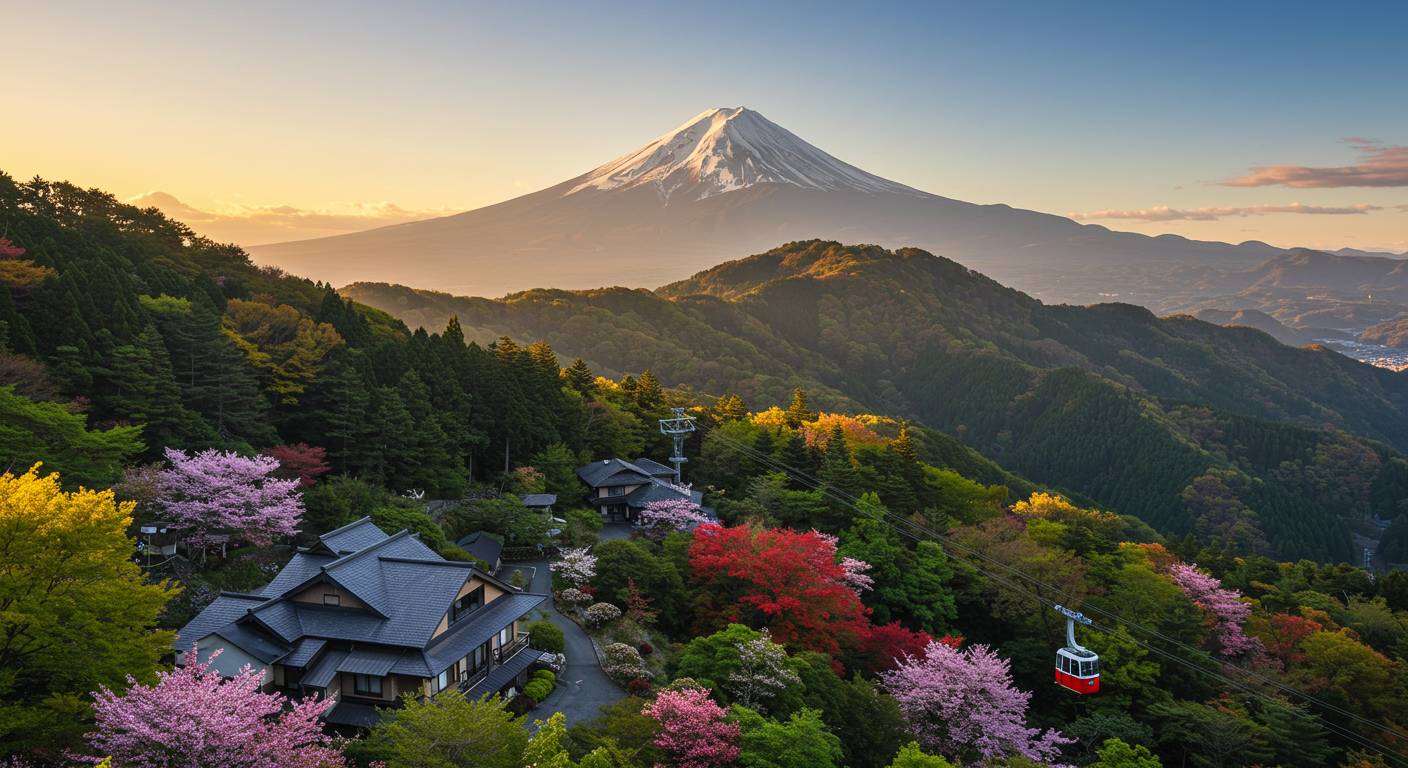
Have you been dreaming about experiencing Japan’s mountain paradise? Let me take you on a journey through the enchanting GORA region, where nature’s beauty transforms dramatically with each passing season. As someone who’s spent countless hours exploring these majestic mountains, I’m excited to share the perfect times to visit this breathtaking destination.
Whether you’re seeking cherry blossoms in spring, lush green hiking trails in summer, fiery autumn foliage, or serene snow-covered landscapes in winter, GORA offers something magical year-round. This guide will help you plan the ideal trip based on your preferences and travel style.
Many travelers miss the opportunity to see GORA at its best simply because they don’t know when to visit. I’ll reveal the peak times for each season’s unique attractions and also share those perfect “shoulder season” weeks when you can enjoy ideal weather with fewer tourists.
From hidden onsen (hot springs) that locals cherish to the best viewpoints for each month of the year, this comprehensive guide will ensure your GORA experience exceeds all expectations. Let’s dive into Japan’s mountain wonderland and discover when YOU should plan your unforgettable visit!
1. Discover the Hidden Gems of GORA: Seasonal Adventures Await!
Nestled in the scenic Hakone region, Gora represents one of Japan’s most breathtaking mountain retreats that transforms dramatically with each passing season. This picturesque area, accessible via the charming Hakone Tozan Railway, offers visitors an ever-changing landscape of natural wonders that keep travelers returning throughout the year.
Spring brings Gora to life with cherry blossoms adorning the mountainsides, creating pink canopies along the walking paths near Gora Park. The meticulously maintained French-inspired gardens burst with azaleas and early-blooming mountain flowers, providing perfect photography opportunities against the backdrop of distant mountains.
Summer visitors will find relief from Japan’s humidity in Gora’s higher elevation. The lush greenery reaches its peak vibrancy, while attractions like the Hakone Open-Air Museum display their impressive sculpture collection amidst perfect weather conditions. Evening illuminations at various gardens offer magical experiences as fireflies dance among the trees in certain protected areas.
Fall transforms Gora into a canvas of crimson, orange, and gold as maple trees throughout the region display spectacular autumn colors. The Hakone Museum of Art’s moss garden becomes particularly enchanting during this season, with Japanese maples creating striking reflections in the carefully positioned water features.
Winter brings a serene blanket of snow to Gora, transforming it into a peaceful mountain retreat. The steaming onsen (hot springs) become even more appealing, with renowned establishments like Gora Kadan and Hakone Yuryo offering outdoor bathing experiences where you can soak while snowflakes gently fall around you.
Beyond seasonal highlights, Gora’s central location makes it the perfect base for exploring Hakone’s iconic attractions: Lake Ashi cruises, the Owakudani volcanic valley, and various art museums that showcase both Japanese traditions and international influences. The area’s ryokans (traditional inns) like Mikawaya Ryokan provide authentic cultural experiences regardless of when you visit.
2. Ultimate Guide: Best Times to Experience Japan’s GORA Mountains
Timing your visit to Gora in Hakone’s mountainous region can dramatically transform your experience of this natural wonderland. Each season paints the landscape with distinct colors and offers unique activities that showcase different facets of Japanese mountain culture.
Spring (April-May) brings the celebrated cherry blossoms, with Gora Park’s meticulously maintained gardens offering spectacular viewing spots. The mild temperatures (averaging 15-20°C) create perfect conditions for hiking the numerous trails that wind through awakening forests. The famous Hakone Open-Air Museum displays its contemporary sculptures against a backdrop of fresh greenery during this rejuvenating season.
Summer (June-August) offers respite from the intense heat that blankets Tokyo and other lowland cities. With temperatures typically ranging from 20-28°C, Gora becomes a natural air-conditioned retreat. The lush, verdant mountainsides provide dramatic backdrops for outdoor activities, while the chance of glimpsing Mt. Fuji increases on clear summer mornings. The Hakone Gora Summer Festival in July features traditional performances and local cuisine.
Autumn (September-November) transforms Gora into a symphony of reds, oranges, and golds as maple trees reach their peak foliage in mid-November. This “koyo” season rivals spring’s cherry blossoms in popularity, with temperatures comfortably settling between 10-22°C. The Hakone Museum of Art’s Japanese garden becomes particularly photogenic during this season.
Winter (December-February) reveals a more contemplative Gora. While snowfall is moderate (temperatures range from 0-10°C), occasional dustings transform the landscape into a serene winter wonderland. This is prime season for soaking in steaming onsen baths while gazing at snow-capped mountains. The Hakone Gora Winter Illumination creates magical evening landscapes with thousands of lights adorning the mountain town.
For travelers seeking fewer crowds, consider visiting during weekdays or during the “shoulder seasons” of late May and early October. The Golden Week holiday (late April to early May) and Obon festival (mid-August) typically bring domestic tourism surges, while New Year holidays see traditional shrine visits.
Weather considerations should factor into planning, as mountain conditions can change rapidly. June brings the rainy season (“tsuyu”), with increased precipitation making outdoor activities less predictable. For photography enthusiasts, morning mist often shrouds the mountains, creating ethereal scenes, particularly in autumn and spring.
Ultimately, Gora’s seasonal transformations offer distinctly different experiences of the same captivating landscape – from spring’s delicate renewal to winter’s meditative stillness – ensuring visitors can discover their own perfect moment in this mountain paradise.
3. GORA’s Four Faces: A Seasonal Journey Through Mountain Paradise
Gora transforms dramatically with each passing season, offering visitors a completely different experience depending on when they choose to explore this mountain retreat. This picturesque area in Hakone showcases nature’s finest displays throughout the year, each season revealing a unique facet of Gora’s mountain paradise.
Spring brings cherry blossoms cascading across the hillsides, typically blooming in late March through early April. The Hakone Gora Park becomes especially enchanting as pink and white blooms contrast against the emerging green foliage. The comfortable temperatures (averaging 15-20°C) make this an ideal time for hiking the surrounding trails and enjoying outdoor onsen experiences without the summer crowds.
Summer transforms Gora into a lush green sanctuary. While the lowlands of Japan swelter in humidity, Gora offers refreshing mountain breezes with temperatures typically 5-10 degrees cooler than Tokyo. The hydrangeas at Hakone Museum of Art create stunning blue and purple carpets throughout June and July. Summer evenings bring the magical sight of fireflies near mountain streams, particularly visible from the open-air baths at Tenzan Onsen.
Autumn paints Gora in spectacular colors from late October through November. The mountainside erupts in fiery reds, golden yellows, and deep oranges as maple and ginkgo trees change their foliage. The Hakone Ropeway provides breathtaking aerial views of this natural tapestry, while the crisp mountain air (averaging 10-15°C) makes outdoor exploration invigorating.
Winter blankets Gora in serene stillness. Though snowfall varies yearly, the mountains often receive light dustings that transform the landscape into a monochromatic masterpiece. The real magic of winter in Gora comes from its hot springs, where you can soak in therapeutic waters while snowflakes gently fall around you. Gora Onsen, one of Hakone’s most prestigious hot spring areas, sees fewer tourists during winter months, offering a more intimate connection with the landscape.
For photography enthusiasts, each season provides distinct lighting conditions. Spring and autumn mornings often bring misty valleys and dramatic cloud formations as the sun rises over Mt. Fuji. Summer offers the clearest views of the iconic mountain, while winter presents stark contrasts between snow, steam, and sky.
Regardless of when you visit, Gora’s seasonal transformations ensure that no two trips to this mountain paradise will ever be quite the same. The changing faces of this remarkable destination reflect Japan’s deep cultural connection to seasonal transitions and nature’s eternal cycles.
4. Beyond the Crowds: Secret Seasons to Visit GORA’s Natural Wonders
While Gora’s natural splendor attracts visitors year-round, savvy travelers know that timing is everything when seeking an authentic experience away from the tourist masses. Late autumn, specifically mid-to-late November, offers a magical window when the summer crowds have departed but the landscape remains breathtaking. The crimson and gold foliage lingers in protected valleys, and the cooling temperatures create perfect conditions for outdoor exploration and photography. Hakone Open-Air Museum, one of Gora’s premier attractions, becomes wonderfully serene during this period, allowing visitors to appreciate the artwork against nature’s canvas without jostling for viewing space.
Another hidden gem on the calendar is late January through early February. While conventional wisdom suggests avoiding mountain destinations in deep winter, Gora reveals a different personality during this period. The famous hot springs of Yunessun and Tenzan become truly transcendent experiences when enjoyed against a backdrop of snow-dusted mountains. Hotel rates drop significantly, and ryokan owners have more time to share local knowledge and stories. The steam rising from the natural onsen against the crisp winter air creates photography opportunities that few tourists ever witness.
Early June represents perhaps the most overlooked sweet spot in Gora’s annual cycle. Just before the summer holiday rush and rainy season intensifies, this period offers lush greenery, moderate temperatures, and significantly reduced crowds at major attractions like the Hakone Shrine and Lake Ashi. The hydrangeas begin their spectacular bloom throughout the region, transforming hiking trails and gardens into vibrant showcases of blue, purple and pink. Local transportation, including the scenic Hakone Ropeway, operates with abundant space for passengers to enjoy unobstructed views across valleys that would be crowded just weeks later.
Accommodation strategies shift during these secret seasons as well. Properties like Gora Kadan and Hakone Ginyu, which require booking months in advance during peak periods, often have last-minute availability and occasional special offers. This allows visitors to experience luxury ryokans that might otherwise be financially or logistically out of reach. The staff-to-guest ratio improves dramatically, resulting in more personalized service and insider recommendations that enhance the authentic Japanese hospitality experience that makes Gora so special.
5. Exploring GORA’s Seasonal Magic: Insider Tips for Every Month
Gora’s enchanting landscape transforms dramatically throughout the year, offering unique experiences with each passing month. To maximize your mountain getaway, here’s a month-by-month insider guide to Gora’s seasonal highlights.
January-February:** Winter blankets Gora in pristine snow, creating a magical alpine wonderland. This is prime time for soaking in outdoor onsen while snowflakes gently fall around you. Hakone Museum of Art’s snow-covered gardens offer breathtaking photo opportunities. The crisp mountain air brings exceptional visibility—on clear days, Mount Fuji appears majestically framed against the winter sky. Pro tip: Many ryokans offer special winter packages with private onsen experiences during these months.
March-April:** Spring gradually awakens the mountain landscape. Cherry blossoms typically bloom in early April, slightly later than Tokyo. The Hakone Tozan Railway transforms into a tunnel of pink blossoms, while Hakone Gora Park bursts with vibrant spring flowers. The weather becomes increasingly pleasant for hiking, with temperatures averaging 10-15°C (50-59°F). The shoulder season means fewer crowds and better accommodation rates.
May-June:** Late spring brings lush greenery and the famous hydrangeas (ajisai) along the Hakone Tozan Railway. The rainfall increases, creating atmospheric mountain mists that evoke traditional Japanese paintings. Hiking trails showcase verdant mountain foliage and rushing streams. The Hakone Open-Air Museum’s outdoor sculptures take on new dimensions against the vibrant green backdrop.
July-August:** Summer in Gora offers refreshing mountain temperatures (typically 5-10°C cooler than Tokyo), making it a popular escape from urban heat. Lake Ashi cruises become particularly enjoyable, with Mount Fuji often visible on clear mornings. The Hakone Botanical Garden of Wetlands showcases spectacular summer blooms. Evening light-up events at various attractions create magical summer night experiences.
September-October:** Autumn transforms Gora into a canvas of red, orange, and gold. Peak foliage usually occurs in early to mid-November, slightly later than surrounding lower elevations. The contrast of autumn colors against the deep blue skies creates unforgettable vistas, particularly around Lake Ashi and Owakudani. Harvest festivals and seasonal cuisine featuring matsutake mushrooms and other mountain delicacies enhance the autumn experience.
November-December:** Late autumn into early winter brings crisp, clear days with spectacular Mount Fuji views. As tourist numbers decrease, you’ll find more peaceful onsen experiences and attentive service at ryokans. Early December offers the unique experience of autumn foliage at lower elevations with possible snow-capped peaks above. Holiday illuminations begin in late November, creating festive mountain evenings.
For photography enthusiasts, early morning hours (6-8 AM) consistently offer the clearest mountain views throughout the year. The Hakone Free Pass provides excellent value for exploring seasonal attractions via various transportation modes including the scenic ropeway, which offers different perspectives of the seasonal landscapes. Many local ryokans like Gora Kadan and Gora Tensui adapt their multi-course kaiseki meals to showcase the finest seasonal ingredients, providing a culinary journey through Japan’s mountain seasons.
Whatever month you choose to visit Gora, the mountain paradise delivers natural beauty, cultural experiences, and onsen relaxation—each season with its own distinctive charm and character.
この記事へのコメントはありません。