

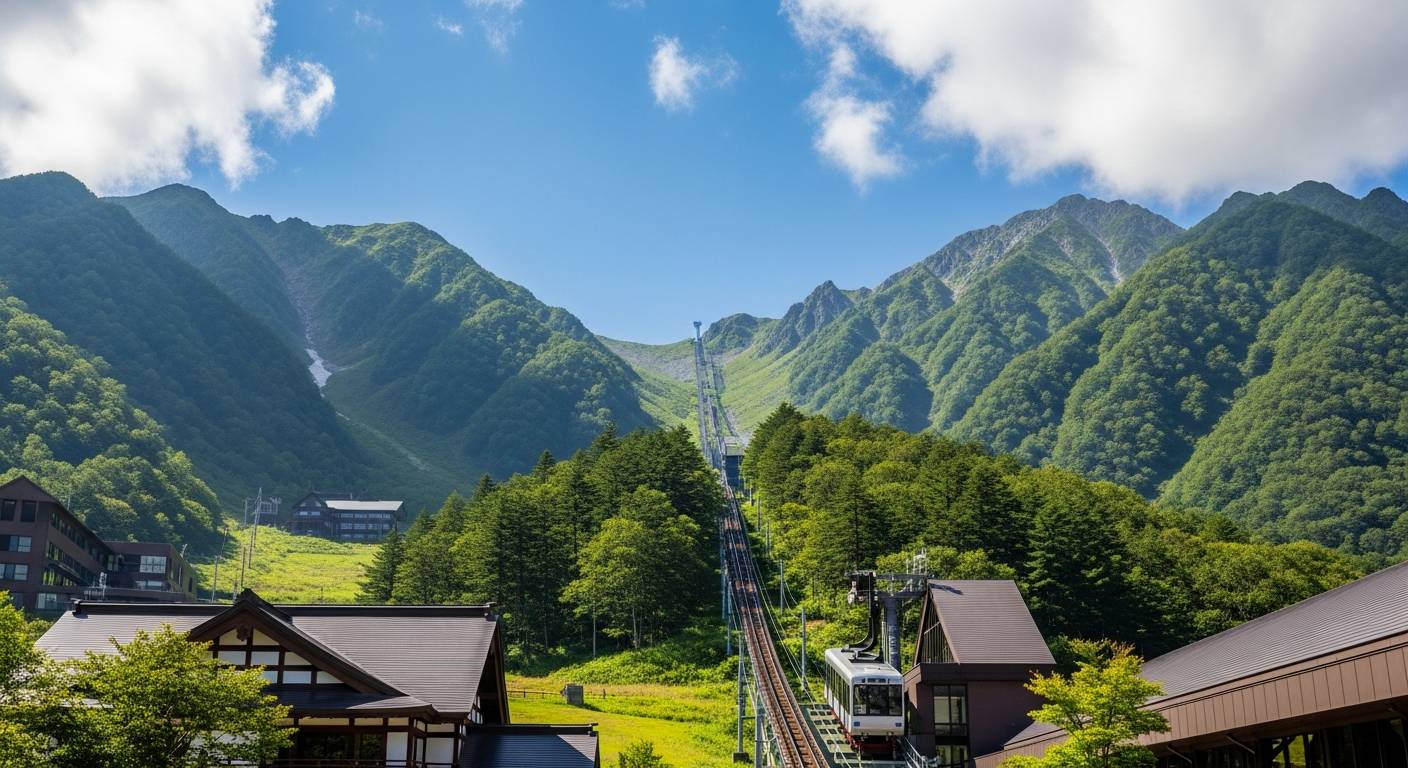
Are you planning a journey to one of Japan’s most enchanting mountain destinations? GORA, nestled in the stunning Hakone region, offers visitors a breathtaking escape from urban life and access to some of Japan’s most magnificent natural wonders. However, navigating transportation in this mountainous area can be challenging for first-time visitors.
As someone who has explored the winding paths and scenic routes of this alpine paradise numerous times, I’m excited to share comprehensive insights about GORA transportation options that will make your journey smooth and memorable. Whether you’re planning to visit the famous hot springs, experience the cable car with spectacular Mount Fuji views, or explore traditional Japanese cuisine like authentic yakitori at local establishments, this guide will help you discover the most efficient ways to travel to and around GORA.
From Tokyo connections to local transport networks, seasonal considerations to budget-friendly alternatives, this article covers everything you need to know before embarking on your Japanese mountain adventure. Join me as we explore the insider knowledge that will transform your GORA experience from ordinary to extraordinary!
1. The Ultimate Guide to GORA Transportation: Hidden Gems in Japan’s Mountain Paradise
Nestled in the picturesque mountains of Hakone, Gora stands as one of Japan’s most enchanting destinations, offering visitors a perfect blend of natural beauty, traditional culture, and rejuvenating hot springs. However, navigating this mountainous terrain requires knowledge of the unique transportation options available. This comprehensive guide will unveil everything you need to know about Gora transportation, ensuring your journey to this mountain paradise is as seamless as it is memorable.
The Hakone Tozan Railway, Japan’s oldest mountain railway, serves as the primary gateway to Gora. This switchback train climbs through dense forests and across stunning ravines, offering breathtaking views of seasonal splendors—cherry blossoms in spring, lush greenery in summer, fiery foliage in autumn, and snow-covered landscapes in winter. The journey itself becomes an unforgettable experience, with the train making several stops to change direction on its steep ascent.
Upon arriving at Gora Station, travelers can seamlessly connect to the Hakone Tozan Cable Car. This funicular railway conquers the steepest section of the mountain, climbing at an impressive 15-degree angle while providing panoramic views of the surrounding mountains. The cable car terminates at Sounzan Station, where the adventure continues with the Hakone Ropeway.
The Hakone Ropeway offers an aerial perspective of the region’s natural wonders, including the sulfuric hot springs of Owakudani and, on clear days, magnificent views of Mount Fuji. This suspended gondola system spans 4 kilometers, connecting Sounzan to Togendai via Owakudani Station, where visitors can sample the famous black eggs—eggs boiled in the natural hot springs, said to add seven years to one’s life.
For those seeking to explore the area more intimately, the Hakone Free Pass proves invaluable. This cost-effective ticket provides unlimited use of most transportation in the Hakone area, including the Tozan Railway, Cable Car, Ropeway, buses, and even a discount on the ornate replica pirate ship that cruises Lake Ashi. Available for two or three days, the pass facilitates comprehensive exploration of Gora and its surroundings without transportation concerns.
Local buses complement the rail and cable car networks, providing access to attractions slightly off the main transportation routes. The Hakone Tozan Bus operates several routes connecting key locations throughout the region, including the renowned Hakone Open-Air Museum, various hot spring bathhouses (onsen), and traditional Japanese inns (ryokan).
For travelers with limited mobility or those preferring door-to-door service, taxis are readily available at Gora Station, offering convenient transportation to specific destinations. While more expensive than public transportation options, taxis provide flexibility and comfort, particularly valuable during inclement weather or when carrying substantial luggage.
Walking represents another viable option for exploring Gora’s immediate vicinity. The area features well-maintained pathways connecting major attractions, accommodations, and dining establishments. A leisurely stroll through Gora Park, with its meticulously maintained French-inspired garden, offers a refreshing change of pace from mechanized transportation.
Regardless of which transportation methods you choose, planning remains essential when visiting Gora. Transportation schedules vary seasonally, with reduced service during winter months and increased frequency during peak tourist seasons. The Hakone Tourism Association website provides up-to-date schedules and service announcements, ensuring visitors can plan their journey effectively.
Navigating Gora’s transportation network might initially seem complex, but the systems operate with characteristic Japanese efficiency. Clear signage in multiple languages, helpful staff, and intuitive connections between different modes of transport ensure that even first-time visitors can navigate with confidence. Each transportation method not only serves a practical purpose but also contributes to the overall Hakone experience, transforming travel into an integral part of the destination’s charm.
2. How to Master GORA Transportation: Tips from Local Experts
Navigating transportation in Gora, the gateway to Hakone’s hot springs and natural wonders, can seem daunting at first. However, with advice from those who know the area best, you can move around like a seasoned traveler. Local transportation experts and longtime residents share their insider knowledge to help you master Gora’s unique transit system.
“The Hakone Tozan Railway is not just transportation—it’s an experience,” says a station attendant who has worked the mountain route for over a decade. “Always board the front cars for the best views of the switchbacks and valleys.” This scenic railway, Japan’s oldest mountain track, offers spectacular seasonal views, especially during June’s hydrangea season and autumn’s foliage display.
For the cable car, timing is everything. “Visit before 9 AM or after 3 PM to avoid the largest crowds,” advises a local ryokan owner. “And don’t forget to look back as you ascend—the view of Sagami Bay on clear days is breathtaking.” The Hakone Tozan Cable Car connects Gora Station to Sounzan Station, forming a crucial link in the Hakone circuit.
When using the Hakone Ropeway, seasoned visitors recommend sitting on the right side when traveling toward Togendai for the best chance of spotting Mount Fuji. “Weather conditions around Fuji change rapidly,” explains a ropeway operator. “Morning is typically clearest, but always check the daily forecast.”
The Hakone Free Pass offers exceptional value, covering most local transportation modes. A tourism board representative notes, “Many visitors don’t realize the pass includes discounts at major attractions and some ryokans. Always show your pass before paying anywhere in Hakone.”
For navigating between attractions, locals suggest allowing extra time. “Mountain transportation follows its own rhythm,” a bus driver explains. “Weather conditions can affect schedules, so build flexibility into your itinerary.” The Hakone bus network complements the rail and ropeway systems, reaching areas like the Open Air Museum and Venetian Glass Museum.
Mobile apps have transformed the travel experience in Gora. The official Hakone Navi app provides real-time updates on transportation and can be a lifesaver during busy periods. Google Maps works well in the area but may not account for seasonal schedule changes.
During peak tourist seasons (cherry blossom, autumn leaves, and holiday periods), early morning departures are essential. “Start your day at least an hour earlier than you think necessary,” recommends a concierge at a prominent Gora hotel. “This single tip will dramatically improve your experience.”
For those with limited mobility, plan carefully. While major stations have accommodations, some smaller stops present challenges. Station staff are generally helpful but calling ahead ensures proper assistance will be available when needed.
By incorporating these expert local insights into your travel plans, you’ll navigate Gora’s transportation network with confidence, spending less time figuring out connections and more time enjoying the magnificent mountain resort experience that makes Hakone one of Japan’s most beloved destinations.
3. Seasonal GORA Transportation Guide: When to Visit Japan’s Alpine Wonder
Japan’s Hakone region experiences distinct seasonal changes that dramatically transform the GORA transportation experience throughout the year. Each season offers unique advantages for visitors exploring this alpine wonder.
Spring brings cherry blossoms that paint the mountainsides in delicate pink hues. During this popular period (March-May), the Hakone Tozan Railway offers special “Sakura Viewing” trains with extended stops at scenic spots. The GORA cable car operates with increased frequency, but expect longer queues especially on weekends. Pro tip: visit mid-week in late April when crowds thin but flowers remain vibrant.
Summer transforms GORA into a lush green paradise with refreshingly cool mountain temperatures compared to Tokyo’s humidity. The Hakone Ropeway extends its operating hours during July-August, offering spectacular sunset views over Lake Ashinoko. The mountain roads become more accessible, making rental cars a viable option for exploring hidden spots beyond the main transportation routes.
Fall delivers a breathtaking display of autumn foliage that attracts photographers worldwide. The GORA transportation network operates special “Koyo” (autumn leaves) services from mid-October through November. The Tozan bus routes offer strategic stops at prime viewing locations, while the switchback railway journey becomes a moving panorama of crimson and gold. Consider purchasing the Hakone Free Pass before arrival as tickets sell out quickly during peak foliage weekends.
Winter brings a serene atmosphere with occasional snowfall transforming GORA into a peaceful retreat. Transportation operates reliably but with reduced frequency. The GORA cable car offers unique views of snow-dusted mountains and steaming hot spring valleys. Winter visitors enjoy the rare privilege of soaking in outdoor onsen while surrounded by snow—an authentic Japanese experience. Note that some mountain roads may close temporarily after heavy snowfall, so check the Odakyu Railway website for real-time updates.
For travelers seeking the perfect balance between ideal weather and manageable crowds, the shoulder seasons of late May and early October offer optimal GORA transportation experiences with minimal waiting times. Regardless of when you visit, the comprehensive network of trains, cable cars, ropeways, and buses ensures Japan’s alpine wonder remains accessible year-round.
4. Budget-Friendly GORA Transportation Options You Need to Know
Traveling to the scenic mountain resort area of Gora doesn’t have to break the bank. With several economical transportation alternatives available, visitors can enjoy this picturesque destination while keeping their travel expenses in check. Let’s explore the most cost-effective ways to navigate Gora and its surrounding attractions.
The Hakone Free Pass stands as the ultimate money-saving option for Gora travelers. This comprehensive ticket provides unlimited use of most transportation in the Hakone region, including the Hakone Tozan Railway to Gora, buses, ropeways, and even the iconic pirate ship on Lake Ashi. Priced at approximately 5,000 yen for a 2-day pass from Shinjuku, this represents significant savings compared to purchasing individual tickets. The pass essentially pays for itself after just a few rides.
Local buses offer another economical way to explore Gora and nearby areas. The Hakone Tozan Bus network covers major attractions with reasonable flat-rate fares. Consider purchasing a one-day bus pass if you’re planning multiple stops without needing other transportation types. Bus routes are specifically designed to connect visitors with popular destinations like museums, hot springs, and viewpoints throughout the region.
Walking is completely free and often overlooked as a viable transportation option in Gora. Many attractions are within reasonable walking distance of each other, especially around the central Gora area. The well-maintained walking paths offer stunning mountain views and opportunities to discover hidden gems that might be missed when using faster transportation. Download a detailed area map before setting out to plan efficient walking routes.
Carpooling and ridesharing have become increasingly popular options for budget travelers visiting Gora in groups. Services like “notteco” connect drivers with passengers heading to popular destinations like Hakone and Gora. This not only reduces costs but often provides a more personalized experience with local knowledge from drivers.
When planning your itinerary, consider grouping attractions by location to minimize transportation expenses. The thoughtful organization of your daily activities can significantly reduce the need for multiple trips and help you maximize the value of day passes. With these budget-friendly transportation strategies, experiencing the beauty of Gora becomes accessible for travelers of all budget levels.
5. First-Timer’s Complete GORA Transportation Journey: From Tokyo to Mountain Serenity
Embarking on your first journey to Gora, the gateway to Hakone’s natural splendor, can seem daunting but is surprisingly straightforward with proper planning. This comprehensive guide walks you through the entire transportation process from Tokyo’s bustling center to the peaceful mountain resort area of Gora.
Your adventure begins at Shinjuku Station, one of Tokyo’s major transit hubs. Head to the Odakyu Line counters where you can purchase the highly recommended “Hakone Free Pass.” This cost-effective ticket (approximately 5,700 yen for a 2-day pass from Shinjuku) covers your round-trip journey and unlimited use of eight transportation modes throughout the Hakone region, including the scenic Hakone Tozan Railway to Gora.
Board the Odakyu Romance Car limited express train for the most comfortable experience. This reservation-required train features large windows perfect for enjoying mountain views and takes approximately 85 minutes to reach Hakone-Yumoto Station. Alternatively, the regular Odakyu Line trains are more economical but require a transfer at Odawara Station, extending your journey to about 2 hours.
Upon arriving at Hakone-Yumoto, follow signs to the charming Hakone Tozan Railway—Japan’s oldest mountain railway. This switchback train climbs 541 meters through dense forests and across bridges, offering breathtaking seasonal views. The 40-minute journey to Gora Station includes several stops at picturesque mountain villages.
For travelers with large luggage, consider using the convenient luggage forwarding service available at major stations. Many ryokans and hotels in Gora also offer shuttle services from Gora Station—confirm availability when booking your accommodation.
Arriving at Gora, you’ll find yourself at the center of a peaceful mountain resort area. From here, the Hakone Tozan Cable Car connects to the Hakone Ropeway, providing access to natural wonders including Lake Ashi and views of Mount Fuji on clear days.
Time your journey strategically—weekday mornings generally offer less crowded transportation. During peak tourist seasons (cherry blossom, autumn foliage, and holiday periods), trains and cable cars can become extremely busy.
The entire journey showcases Japan’s efficient public transportation system while gradually transitioning you from urban energy to mountain tranquility. Each transit mode offers unique perspectives of the changing landscape, making the journey itself an integral part of the Hakone experience rather than merely a means to reach your destination.
この記事へのコメントはありません。