

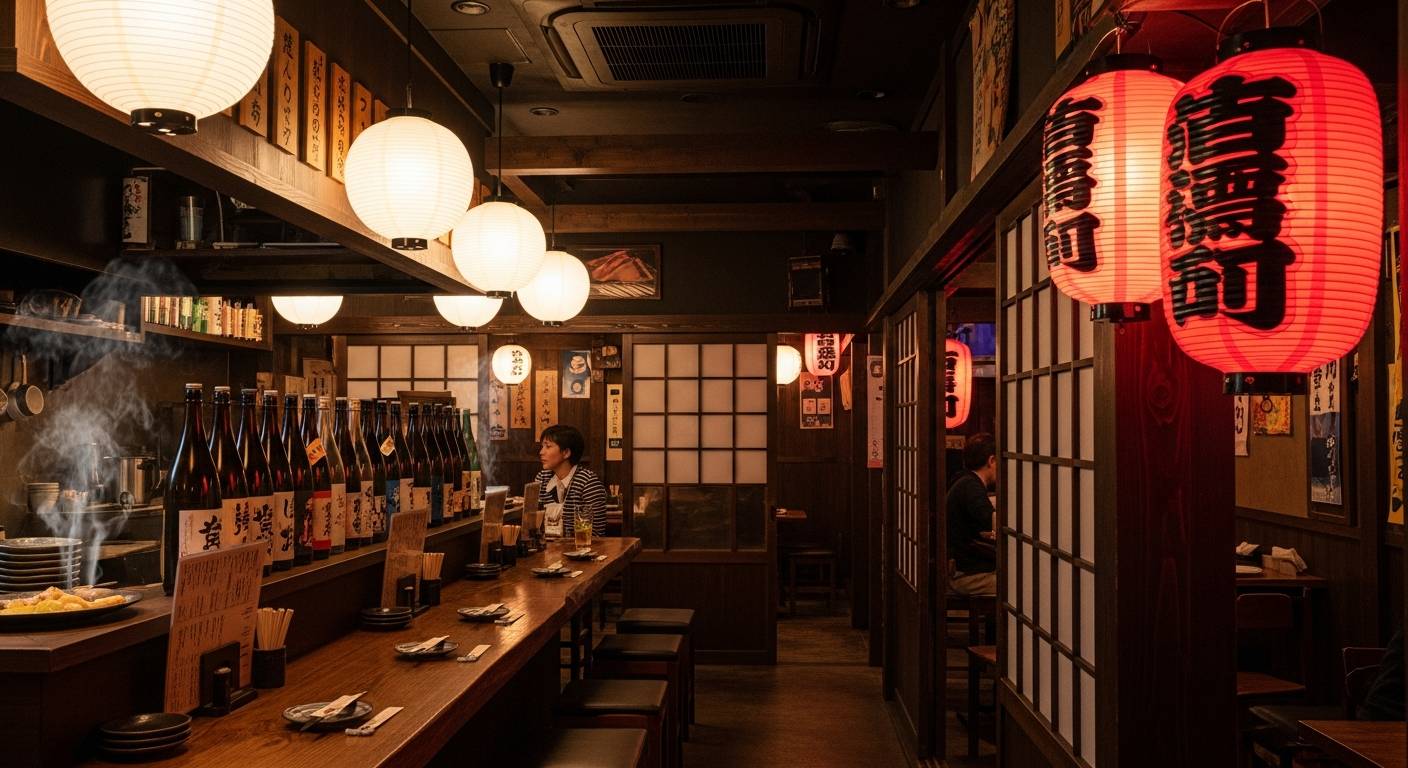
Are you searching for those genuine Japanese dining experiences that transport you beyond tourist attractions to where locals truly gather? The izakaya—Japan’s traditional pub-restaurants—represent the beating heart of Japanese social life, yet many visitors miss these cultural treasures hidden in plain sight.
As someone who has spent years exploring Japan’s vibrant food scene, I’m excited to guide you through the intimate world of authentic izakaya establishments. These humble yet soulful venues offer a glimpse into Japanese culture that glossy restaurant guides often overlook.
In this comprehensive guide, we’ll journey through Tokyo’s most cherished local izakaya spots, master the unspoken etiquette that will earn you nods of approval from locals, and discover traditional dishes that have defined Japanese social dining for generations. From carefully selected sake to perfectly grilled yakitori, we’ll explore what makes these establishments cultural institutions rather than mere restaurants.
Whether you’re planning your first trip to Japan or looking to deepen your appreciation of Japanese culinary traditions, this insider’s guide will help you experience izakaya culture as the Japanese do—with authenticity, respect, and pure enjoyment.
1. Unveiling Tokyo’s Intimate Izakaya Scene: Where Locals Gather After Dark
Tokyo’s izakaya culture thrives in narrow alleyways and basement establishments where salary workers shed their corporate facades for authentic evening experiences. These intimate drinking establishments serve as the heartbeat of Japanese after-work social life, offering a glimpse into local culture that many tourists never discover.
In the backstreets of Shinjuku’s Golden Gai district, over 200 tiny bars pack into just a few narrow alleys, many seating only 5-10 patrons. Establishments like Albatross and La Jetée maintain their post-war charm while serving reasonably-priced drinks alongside simple yet delicious dishes like yakitori and pickled vegetables. The proximity to strangers creates natural conversation, making these venues perfect for solo travelers seeking authentic interaction.
Ebisu’s Yokocho alley presents another treasure trove of izakaya experiences. Here, Ebisu Yokocho food hall houses multiple tiny establishments under one roof. Each specializes in different regional cuisines, from Okinawan delicacies at Ryukyu to perfectly grilled skewers at Yanoya. The cramped quarters and shared tables foster a communal atmosphere rarely experienced in formal restaurants.
For those seeking traditional aesthetics, Kagurazaka’s hidden gems like Shonantei offer tatami seating and seasonal specialties in converted machiya townhouses. Their otoshi (small appetizers served automatically) often showcase the chef’s creativity using market-fresh ingredients.
The best izakaya experiences come from following unwritten rules: always say “kanpai” when toasting, never pour your own drink, and embrace the concept of “nijikai” (second party) as evenings progress from formal settings to increasingly casual establishments. The most memorable Tokyo nights often involve following locals from one izakaya to another, experiencing the gradual unwinding of Japanese social hierarchies as the evening deepens.
2. Secret Izakaya Etiquette: How to Experience Japanese Dining Like a Native
Understanding izakaya etiquette is essential for an authentic Japanese dining experience. When entering an izakaya, you’ll often hear a chorus of “Irasshaimase!” (Welcome!) from the staff. Rather than feeling obligated to respond, a simple nod acknowledges their greeting. For seating, wait to be guided by staff unless you spot an “osaki ni” (self-seating) sign.
Most izakayas offer an otōshi or tsukidashi—a small appetizer that automatically arrives and appears on your bill. This traditional practice essentially serves as a cover charge and shouldn’t be refused. When ordering, use the phrase “sumimasen” (excuse me) to politely catch staff attention.
Drinking customs are particularly important in izakaya culture. Never pour your own drink—wait for companions to serve you, and reciprocate the gesture. When receiving a pour, lightly lift your glass with both hands. During kanpai (toasts), maintain eye contact and ensure your glass is positioned lower than senior companions’ glasses if dining with hierarchy-conscious Japanese.
Sharing is fundamental to izakaya dining—most dishes are designed for the table. Using the opposite end of your chopsticks (the end that doesn’t go in your mouth) to take food from communal plates shows refined manners. When not using chopsticks, rest them on the hashioki (chopstick rest) or across your plate—never stick them vertically into food, which resembles funeral rituals.
Many traditional izakayas feature tatami seating, requiring shoe removal. Follow locals’ lead by sitting cross-legged (men) or with legs folded to one side (women). At counter seating, avoid excessive phone use—engaging with chefs demonstrates appreciation for their craft.
When ready to leave, call “sumimasen, okaikei onegaishimasu” for the bill. Unlike Western customs, tipping is unnecessary and sometimes considered impolite. A sincere “gochisōsama deshita” (thank you for the meal) upon departure completes your authentic izakaya experience.
3. Beyond the Tourist Trail: Japan’s Most Authentic Izakaya Experiences
The true soul of Japanese dining culture isn’t found in glossy guidebooks or popular tourist destinations—it’s hidden in narrow alleyways, basement establishments, and second-floor havens known only to locals. These authentic izakaya represent the beating heart of Japan’s after-work social scene, where salary men and women gather to unwind, share stories, and enjoy unpretentious yet delicious food with flowing drinks.
In Shinjuku’s Golden Gai district, tiny establishments like Albatross Bar accommodate just a handful of patrons, creating an intimate atmosphere where conversation with the owner-chef flows as freely as the sake. This six-alley network houses over 200 miniature bars and eateries, each with their own distinctive character and loyal clientele.
Venture to Osaka’s Tenma neighborhood where Baikohken serves legendary gyoza alongside regional specialties in a smoke-tinged room that hasn’t changed in decades. The handwritten menu changes seasonally, featuring ingredients from nearby Kuromon Market.
In Kyoto, Kappa Tengoku operates behind an unassuming wooden door marked only by a small lantern. This family-run establishment has perfected obanzai cooking—Kyoto’s traditional home-style cuisine—with recipes passed down through four generations.
What makes these places special isn’t elaborate decor or innovative fusion cuisine—it’s authenticity. Many have house rules that might surprise foreign visitors: some don’t accept credit cards, others charge a small cover fee (otōshidai), and a few still maintain a regulars-only policy, though this practice is increasingly rare.
For those seeking truly local experiences, timing matters. Visit between 7-9 pm when establishments are lively but not overwhelmed. Respect the space by learning basic izakaya etiquette: say “sumimasen” (excuse me) to get attention rather than waving, and remember that in many authentic places, the bill is calculated the old-fashioned way—by eyeballing what you’ve consumed.
These hidden gems offer more than just food and drink—they provide cultural immersion impossible to find in tourist-oriented establishments. In these intimate spaces, you might find yourself participating in impromptu sake tastings with the elderly gentleman next to you or learning regional cooking techniques from a chef whose family has owned the business for generations.
The most authentic izakaya experiences often come with no English menus, no picture guides, and sometimes no menus at all—just the day’s offerings explained verbally or written on wall placards. This barrier becomes an opportunity for cultural exchange, with many patrons and owners eager to help translate and recommend specialties.
While finding these establishments requires effort and perhaps a willingness to get pleasantly lost in Japan’s back streets, the reward is immeasurable: a dining experience that reveals the true character of Japanese hospitality, one small plate and one pour of sake at a time.
4. Izakaya Food Guide: Traditional Dishes That Define Japanese Social Dining
Izakaya dining is defined by its array of shared plates that perfectly complement drinks while encouraging conversation and connection. The true essence of izakaya culture lies in these traditional dishes that have been perfected over generations. Understanding these staples will enhance your izakaya experience and help you navigate menus with confidence.
Yakitori stands as perhaps the most iconic izakaya offering – skewered chicken pieces grilled over binchotan charcoal. From the tender thigh meat (momo) to the rich, fatty skin (kawa), each cut offers a different experience. Don’t miss special varieties like tsukune (chicken meatballs) often served with a raw egg yolk for dipping, or negima (chicken and green onion alternating on the skewer).
Karaage deserves special mention as Japan’s beloved fried chicken. Marinated in soy sauce, ginger, and garlic before being coated in potato starch and fried to perfection, this dish achieves the ideal balance of crispy exterior and juicy interior. A squeeze of lemon cuts through the richness perfectly.
Agedashi tofu exemplifies how even simple ingredients transform into something extraordinary in izakaya cuisine. Cubes of tofu are lightly dusted with potato starch, deep-fried until crisp outside while remaining silky within, then served in a delicate dashi broth with grated daikon, green onions, and bonito flakes.
Sashimi appears on virtually every izakaya menu, offering pristine slices of raw fish that showcase Japan’s reverence for quality seafood. While high-end restaurants specialize in elaborate sashimi presentations, izakaya versions focus on freshness and value, often featuring seasonal catches.
Okonomiyaki, the savory pancake often called “Japanese pizza,” represents comfort food at its finest. The Osaka-style version mixes cabbage, green onions, and protein with a wheat-flour batter, grilled and topped with sweet-savory sauce, mayonnaise, bonito flakes, and aonori seaweed.
Takowasa delivers a bold flavor experience – raw octopus marinated in wasabi. This dish exemplifies izakaya’s adventurous spirit, offering a chewy texture and sinus-clearing heat that pairs exceptionally well with cold beer.
Vegetable dishes balance the menu, with classics like edamame (boiled soybeans sprinkled with salt) and hourensou no goma-ae (blanched spinach dressed with sesame sauce) providing necessary contrast to richer offerings.
Rice and noodle dishes typically appear toward the end of meals. Omelette-wrapped omurice, garlic-fried yakimeshi, or hearty bowls of ramen ensure no one leaves hungry after an evening of drinking and socializing.
Understanding these traditional offerings helps decode izakaya menus and appreciate the careful balance of flavors, textures, and culinary techniques that define this cornerstone of Japanese food culture. Each dish reflects centuries of refinement while remaining unpretentious – the perfect embodiment of izakaya philosophy itself.
5. From Sake to Shochu: Navigating the Drinks Menu at an Authentic Japanese Izakaya
Navigating the drinks menu at an authentic izakaya can be as exciting as it is overwhelming for first-time visitors. Unlike Western bars, izakayas offer a distinctive array of traditional Japanese alcoholic beverages that perfectly complement their food offerings.
Let’s start with sake (nihonshu), Japan’s iconic rice wine. Premium sake is typically served chilled in a small carafe (tokkuri) with ochoko cups for sipping. Look for classifications like junmai, ginjo, or daiginjo—terms that indicate rice polishing ratios and brewing methods. For an authentic experience, try asking for “osusume no sake” (recommended sake) to taste the izakaya’s specialty.
Shochu is another essential izakaya staple, a distilled spirit typically made from sweet potato (imo), barley (mugi), or rice (kome). Stronger than sake but smoother than Western spirits, shochu is often enjoyed on the rocks (rokku), with water (mizuwari), or with hot water (oyuwari) during colder months. Many connoisseurs prefer their premium shochu straight to appreciate its complex flavors.
Beer remains immensely popular at izakayas, with major Japanese brands like Asahi, Kirin, and Sapporo dominating the menu. The refreshing “nama biiru” (draft beer) is typically served in chilled glasses and makes an excellent start to your izakaya experience. Some establishments also offer ji-biiru (craft beer) from local microbreweries.
For something uniquely Japanese, try umeshu—a sweet, fruity liqueur made from steeping ume (Japanese plums) in shochu or nihonshu. It’s typically served on the rocks or with soda and appeals even to those who don’t usually enjoy stronger spirits.
Non-alcoholic options aren’t overlooked at izakayas. Most establishments offer oolong tea, green tea, and various soft drinks. Some even prepare mocktail versions of popular drinks to ensure everyone can participate in the shared drinking experience that’s central to izakaya culture.
The izakaya drinking experience is about more than just the beverages themselves—it’s about the ritual of pouring drinks for others at your table, the gradual progression from lighter to stronger drinks throughout the evening, and the camaraderie that develops as the night progresses. Understanding the drinks menu allows you to fully immerse yourself in this quintessential Japanese dining tradition.
この記事へのコメントはありません。