

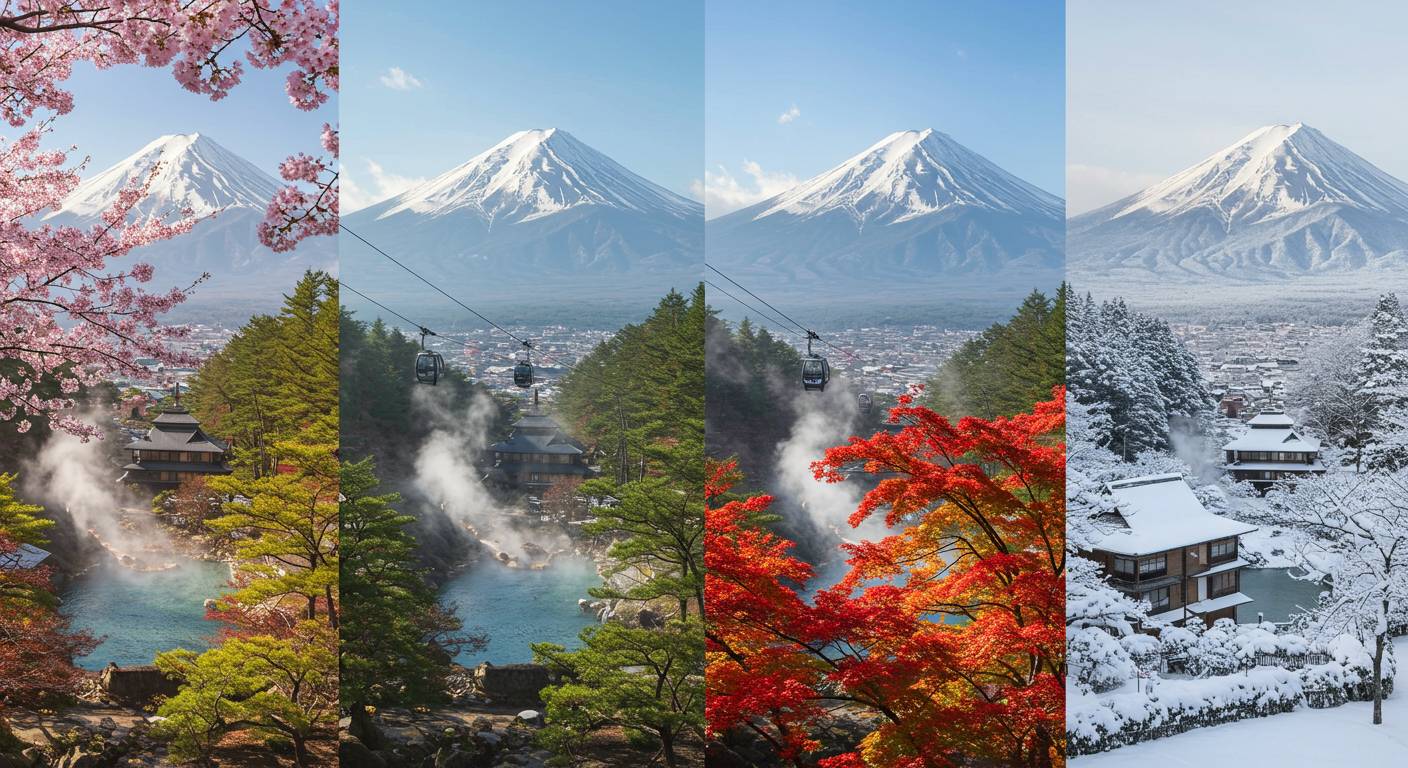
Planning a trip to GORA but not sure when to visit? You’re about to discover the perfect timing for an unforgettable Japanese mountain experience! As someone who’s explored this magical corner of Hakone throughout the year, I’m excited to share insider knowledge about experiencing GORA’s stunning seasonal transformations.
Whether you’re chasing the ethereal pink clouds of cherry blossoms, the fiery tapestry of autumn leaves, pristine snow-covered landscapes, or refreshing summer mountain breezes, GORA offers breathtaking natural beauty in every season. This guide will take you beyond the typical tourist experience, revealing exactly when to visit for those Instagram-worthy moments and how to find the hidden spots most travelers miss.
From perfect photography opportunities to avoiding crowds, I’ll share everything you need to know about timing your GORA adventure for maximum beauty. Let’s explore the year-round magic of this mountain paradise together!
1. The Ultimate Guide to Cherry Blossoms at GORA: Timing Your Visit Perfectly
Cherry blossom season transforms GORA into a breathtaking pink paradise that captivates visitors from around the world. Located in the scenic Hakone region, GORA’s unique mountainous terrain creates a special viewing experience unlike anywhere else in Japan. The cherry blossoms here typically bloom from late March to early April, but this can vary depending on weather conditions.
For the perfect cherry blossom experience in GORA, timing is everything. The first blooms usually appear when temperatures consistently reach above 10°C (50°F) for several days. Local varieties include Somei Yoshino (the most common), Yamazakura (mountain cherry), and Shidarezakura (weeping cherry), each blooming at slightly different times, extending the viewing season.
GORA Park and the areas surrounding GORA Station offer prime viewing spots. The combination of cherry blossoms with Mount Fuji in the background creates postcard-perfect photography opportunities. For the most magical experience, arrive early morning when the soft light enhances the delicate pink petals and crowds are thinner.
Weather patterns can significantly impact bloom times. Warmer winters may cause earlier blooming, while cooler springs can delay the process. Checking the “Cherry Blossom Forecast” (Sakura Zensen) published by the Japan Meteorological Corporation can help plan your visit with greater precision.
The phenomenon known as “mankai” (full bloom) typically lasts only about one week, making planning crucial. Consider booking accommodations at traditional ryokans like Gora Kadan or Hakone Suimeisou well in advance, as these fill quickly during this popular season.
2. Fall Foliage in GORA: Secret Spots for Breathtaking Autumn Views
As the summer heat subsides and crisp air descends upon the Hakone region, GORA transforms into a kaleidoscope of reds, oranges, and golds. Fall in GORA is nothing short of magical, offering visitors some of Japan’s most spectacular autumn foliage views without the overwhelming crowds found in more famous destinations like Kyoto or Nikko. The peak foliage season typically runs from mid-November to early December, slightly later than Tokyo due to the higher elevation.
For those seeking the most breathtaking autumn views, the Hakone Gora Park stands as a premier destination. This meticulously maintained French-style garden features winding paths through Japanese maples and ginkgo trees that create a perfect harmony of colors. Early morning visits provide not only the best light for photography but also moments of tranquility before other tourists arrive.
A lesser-known spot among international visitors is the Sengokuhara Pampas Grass Fields, where the golden susuki grass waves gently against the backdrop of autumn-painted mountains. This natural phenomenon creates an ethereal landscape that’s particularly stunning during the golden hour before sunset.
The Hakone Open-Air Museum offers a unique experience where world-class sculptures stand in beautiful contrast against the fall foliage. The combination of art and nature creates perfect photo opportunities that capture both cultural and natural beauty in one frame.
For a truly secluded experience, venture to the hiking paths around Sounzan Station. These trails are less frequented by tourists but offer panoramic views of valleys dressed in autumn colors. The Hakone Tozan Cable Car that runs through this area provides effortless access to these viewpoints while itself offering spectacular vistas through its large windows.
Photography enthusiasts should not miss Lake Ashi in autumn, where Mount Fuji’s snow-capped peak reflects in the water surrounded by a ring of fall colors on the surrounding hills. The traditional pirate ships that cross the lake add a unique element to photographs that capture the essence of Japanese autumn.
When visiting during fall, consider staying at traditional ryokans like Gora Kadan or Gora Tensui, where open-air onsen baths allow you to immerse yourself in hot spring waters while surrounded by the vibrant autumn landscape. These accommodations often feature special seasonal kaiseki meals incorporating fall ingredients like matsutake mushrooms, chestnuts, and persimmons.
The microclimate of GORA means that colors can vary significantly even within short distances. Local residents recommend exploring the area around the Hakone Museum of Art, where the moss garden takes on special characteristics in autumn, with subtle color changes creating a contemplative atmosphere perfect for meditation and reflection.
Fall in GORA also brings fewer crowds compared to the peak summer season, allowing for a more intimate experience with nature. The cool temperatures make it ideal for hiking, onsen bathing, and leisurely exploration of this mountain retreat just 90 minutes from Tokyo.
3. Winter Wonderland: How to Experience GORA’s Magical Snow Scenes
When winter blankets Gora in pristine white snow, the area transforms into an enchanting wonderland that captivates visitors with its serene beauty. From December through February, Gora offers some of Japan’s most picturesque winter landscapes, creating postcard-perfect scenes that photographers and nature enthusiasts treasure.
The snow-covered scenery around Hakone Gora Park and the surrounding mountains creates a tranquil atmosphere unlike any other season. Morning fog often mingles with hot spring steam, creating an ethereal landscape that feels almost otherworldly. The contrast of white snow against the red Hakone Torii gates makes for particularly striking photography opportunities.
To experience Gora’s winter magic properly, timing is essential. Mid-January typically offers the heaviest snowfall, though December through February all provide excellent opportunities to witness the area’s transformation. Early morning visits reward travelers with untouched snow scenes and fewer crowds.
Winter visitors should not miss the opportunity to experience a traditional Japanese onsen surrounded by snow. The Tenzan Tohji-kyo hot springs provide a magical experience as you soak in steaming mineral waters while snowflakes gently fall around you. The contrast between the heat of the baths and the cold air creates a uniquely Japanese winter experience.
For those seeking activity beyond relaxation, the Hakone Ropeway offers panoramic views of snow-covered Mount Fuji on clear winter days—a sight that has inspired Japanese art for centuries. The cable car journey itself becomes magical as it glides above forests frosted with snow.
Practical considerations for winter visitors include packing appropriate footwear with good traction, as paths can become slippery. Layered clothing is essential, as temperatures typically range between 30-40°F (0-5°C). Many ryokans provide traditional winter wear like yukata and haori jackets to enhance your authentic Japanese winter experience.
Local winter specialties not to be missed include amazake (a sweet, low-alcohol rice drink) and various hot pot dishes that showcase seasonal ingredients. The Gora area restaurants often feature special winter menus highlighting the rich, warming foods that Japanese people traditionally enjoy during the colder months.
For accommodation, Gora’s ryokans with in-room private onsen offer the ultimate winter luxury—allowing guests to enjoy the snow views from the comfort of a steaming bath. Properties like Gora Kadan and Hakone Ginyu provide exceptional winter experiences with their thoughtful design and service.
The snow typically begins melting by early March, making the winter season in Gora relatively brief but intensely beautiful. This fleeting quality only adds to the special nature of experiencing Gora’s winter transformation—a seasonal spectacle that remains etched in visitors’ memories long after the snow has melted.
4. Summer Escapes: Beat the Heat with GORA’s Cool Mountain Retreats
When the lowlands of Japan simmer under intense summer heat, GORA transforms into a perfect mountain retreat offering natural air conditioning and refreshing experiences. Located in the Hakone region at approximately 700 meters above sea level, GORA’s elevation provides temperatures typically 5-10°C cooler than Tokyo or Yokohama, making it an ideal summer escape.
The lush greenery reaches its peak vibrancy during summer months, creating verdant landscapes that soothe heat-stressed visitors. Hydrangeas bloom spectacularly in early summer, particularly at the famous Hakone Museum of Art garden where over 10,000 plants create a mesmerizing blue and purple tapestry across the hillsides.
Summer in GORA offers unique outdoor activities impossible during other seasons. The clear mountain streams become perfect for fishing or gentle wading, while hiking trails through dense forests provide cool, shaded routes with spectacular viewpoints. Early mornings often reveal the phenomenon of unkai (sea of clouds), where valley mists create ethereal scenes below the mountain viewpoints.
Evenings in GORA during summer bring a special magic with firefly viewing opportunities in June, particularly around the Chisuji Falls area. Many ryokans and hotels, including the historic Gora Kadan and Gora Tensui, offer open-air baths where you can soak while surrounded by summer’s lush mountain scenery.
For culinary enthusiasts, summer brings seasonal specialties featuring mountain vegetables, fresh river fish, and cooling dishes like hiyashi chuka (cold ramen) and kakigōri (shaved ice) often prepared with locally-sourced ingredients. The Hakone Gora Park Tea House serves magnificent matcha and wagashi combinations perfect for hot afternoons.
While summer is peak tourist season, GORA’s position slightly removed from the main Hakone tourist circuit means you can still find tranquil spaces. For the best experience with fewer crowds, consider visiting on weekdays or planning your activities for early mornings when the air is crisp and the light perfect for photography.
5. Spring Awakening: Capturing GORA’s Hidden Seasonal Treasures
Spring transforms GORA into a captivating paradise as nature awakens from its winter slumber. From late March through May, this charming hot spring town reveals some of its most exquisite seasonal treasures that many travelers unfortunately miss. The iconic cherry blossoms typically reach full bloom in mid-April, creating stunning pink canopies along the mountainside paths and reflecting beautifully in Lake Ashi. For photographers seeking unique compositions, the early morning mist rising from the hot springs creates an ethereal backdrop for these delicate blooms.
Beyond the famous cherry blossoms, GORA’s spring offerings include vibrant azaleas and rhododendrons that paint the hillsides in bold purples and pinks at Hakone Museum of Art’s renowned garden. The Hakone Botanical Garden of Wetlands, often overlooked by tourists, showcases rare alpine flowers and native species that only appear during this fleeting season. Morning visits are recommended as the soft light illuminates the dewdrops on unfurling ferns and budding trees.
Spring also marks the return of migratory birds to the region, making it an excellent time for birdwatching enthusiasts. The forested areas surrounding GORA become alive with melodious songs and flashes of colorful plumage. Local ryokans often provide guests with binoculars and wildlife guides to enhance this natural experience.
For those seeking cultural immersion, spring brings several traditional festivals to GORA and surrounding Hakone villages. The Setsubun Festival at Hakone Shrine features ancient purification rituals, while local craft markets showcase seasonal artisan works incorporating spring motifs. Many traditional restaurants update their menus with seasonal specialties featuring mountain vegetables like warabi (bracken fern) and takenoko (bamboo shoots), harvested from the surrounding forests.
The moderate temperatures of spring (averaging 10-18°C) create ideal conditions for exploring GORA’s network of hiking trails before summer humidity arrives. The Tonosawa Trail offers particularly stunning views of spring foliage with considerably fewer crowds than summer months. Early risers can witness the magical phenomenon of Diamond Fuji, when the sunrise perfectly aligns with Mount Fuji’s peak, creating a diamond-like brilliance visible from several vantage points around GORA.
For an authentic wellness experience, the mineral composition of GORA’s hot springs is said to be particularly beneficial during spring, with many locals believing the waters contain higher concentrations of rejuvenating minerals as snow melt contributes to the underground sources. The open-air baths at traditional establishments like Tenzan and Hakone Yuryo offer unparalleled opportunities to soak while surrounded by spring’s ephemeral beauty.
この記事へのコメントはありません。