

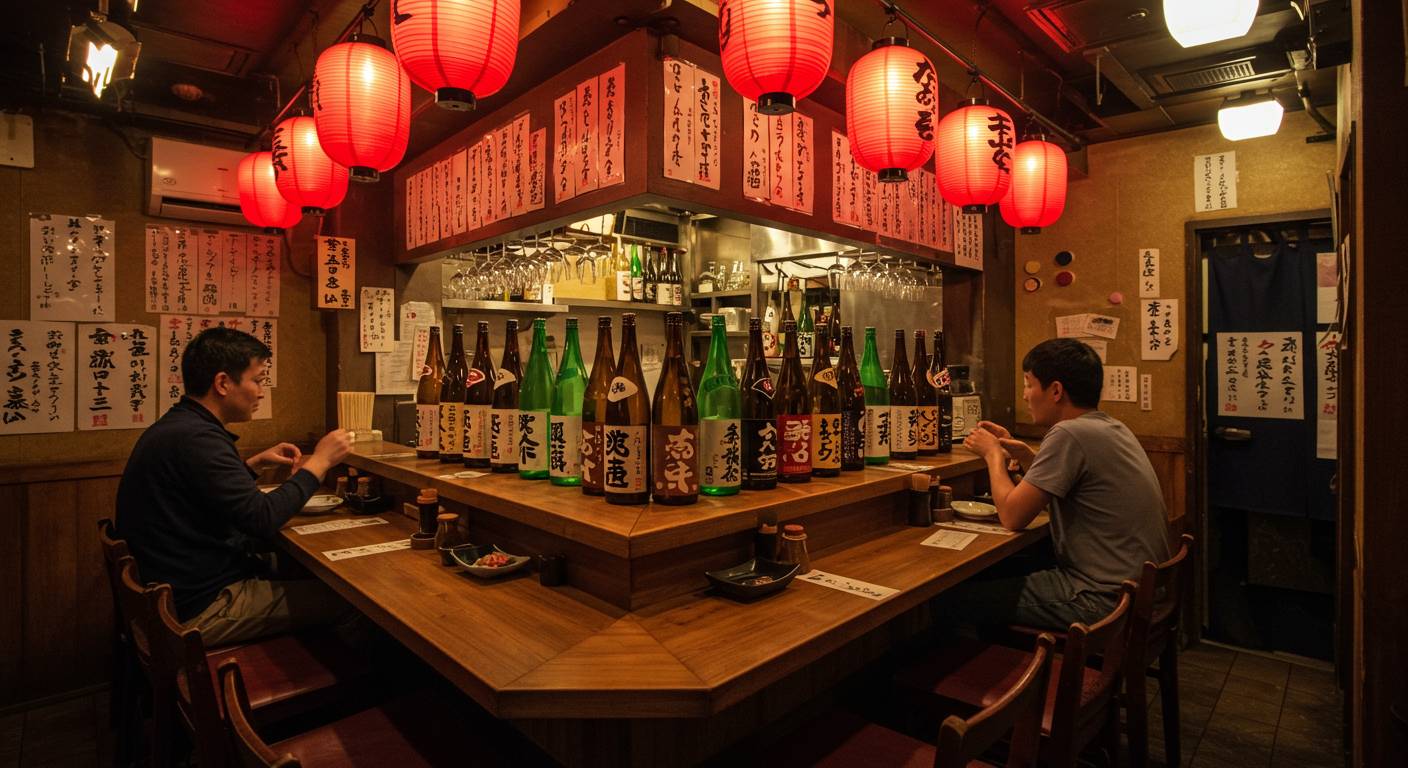
Ever wondered how Japanese izakayas pack so much atmosphere into such tiny spaces? If you’ve ever ducked through a low doorway in Tokyo to find yourself in a magical micro-bar world, you know exactly what I’m talking about! These small drinking establishments have mastered the art of creating immersive experiences despite their limited square footage.
As someone who’s spent countless evenings exploring these cozy hideaways, I’ve become fascinated by how izakaya design transforms ordinary spaces into extraordinary memories. The perfect lighting, thoughtful seating arrangements, and strategic use of traditional elements all contribute to that special feeling you get when stepping into an authentic izakaya.
In this deep dive, I’ll share the secrets behind these intimate drinking spots and explain how their design principles create such powerful connections between strangers. Whether you’re planning your next trip to Japan, looking to recreate that izakaya magic at home, or simply curious about this unique aspect of Japanese culture, you’ll discover what makes these tiny bars leave such a big impression.
Join me as we explore the fascinating world of izakaya design and uncover how these small spaces create such outsized experiences!
1. IZAKAYA Design Secrets: The Art of Maximizing Small Spaces for Unforgettable Nights
Japanese izakayas are masterclasses in spatial efficiency, transforming tiny footprints into immersive dining experiences that feel simultaneously intimate and dynamic. The average Tokyo izakaya might occupy less than 500 square feet, yet these establishments serve dozens of customers nightly without feeling cramped. How do they achieve this spatial magic?
The secret lies in thoughtful, multi-layered design principles refined over centuries. Traditional izakayas employ strategic seating arrangements that maximize every inch – counter seating creates natural social spaces while requiring minimal floor area. Omoide Yokocho in Shinjuku exemplifies this approach, with establishments like Albatross fitting incredible atmosphere into spaces barely larger than a living room.
Vertical thinking is another crucial element. Izakayas utilize wall space brilliantly, with shelving that serves dual purposes: storage and visual interest. Look at Kagaya in Shinbashi, where walls feature an ever-changing collection of traditional masks and artifacts that create atmosphere without consuming precious floor space.
Lighting plays a transformative role, with most establishments using warm, low-hanging fixtures to create intimate pockets that make small areas feel purposeful rather than cramped. The amber glow at places like Sasagin in Yoyogi creates distinct zones without physical dividers.
Material selection further enhances the experience – natural elements like wood, bamboo, and paper create tactile warmth while reflecting sound in ways that enable conversation despite proximity to others. Notice how Yoroniku in Roppongi uses wooden elements to absorb noise while creating visual warmth.
Perhaps most importantly, izakaya owners understand that constraints breed creativity. Rather than viewing small spaces as limitations, they embrace them as opportunities to create focused, memorable experiences. This perspective shift is what transforms potential claustrophobia into cozy intimacy.
These design principles translate beautifully to home bars, restaurants, and even small apartments worldwide. By embracing the izakaya philosophy – that limitations can become distinctive features – any small space can deliver outsized experiences.
2. Tiny Bar, Huge Impact: How IZAKAYA Design Creates Intimate Connections
The magic of izakaya design lies in its intentional intimacy. Traditional izakayas rarely exceed 500 square feet, yet within these compact spaces, architectural and design elements work harmoniously to foster genuine human connection. The counter seating arrangement is perhaps the most significant feature — positioning patrons shoulder-to-shoulder naturally encourages conversation with strangers. According to hospitality design experts, this proximity reduces psychological barriers and facilitates spontaneous interactions rarely found in Western bar layouts.
Lighting plays a crucial role as well. The warm, amber glow typical in izakayas serves both practical and psychological purposes. Low-hanging pendant lights create pools of illumination that define personal space while maintaining overall dimness that encourages comfort and confidentiality. This lighting strategy isn’t accidental — it’s a deliberate design choice that makes patrons feel simultaneously protected yet part of a collective experience.
Material selection further enhances the connection-building environment. Natural wood elements dominate authentic izakayas, from cedar countertops to hinoki wall panels. These materials warm with use and age, developing patinas that tell stories of countless evenings and conversations. At Ponto-chō alley establishments in Kyoto, some counters have been worn smooth by generations of elbows and forearms, creating what designers call “sensory touchpoints” that connect current patrons to the bar’s history.
The open kitchen concept, standard in izakayas long before trending globally, eliminates barriers between service and consumption. When patrons can watch their food being prepared, they develop deeper appreciation for both the meal and its creator. This transparency builds trust and creates natural conversation starters as chefs and customers share observations about ingredients and techniques. Legendary establishments like Albatross in Golden Gai exemplify how these design principles create environments where strangers become friends over shared plates and stories.
3. The Psychology Behind IZAKAYA Layouts: Why These Small Bars Feel So Damn Good
The moment you duck through the low doorway of an authentic izakaya, something magical happens. Despite typically occupying just 400-600 square feet, these Japanese pubs manage to create an atmosphere that feels simultaneously intimate and expansive. This isn’t accidental—it’s masterful environmental psychology at work.
Traditional izakayas employ several design principles that directly influence patron psychology. The low ceilings create an immediate sense of coziness that encourages social bonding. Research in environmental psychology has consistently shown that lower ceiling heights promote concrete, detail-oriented thinking and increase feelings of social connectedness. This explains why conversations flow so easily in these spaces.
The strategic use of partition elements—from noren curtains to wooden screens—creates “micro-environments” within the already small space. These semi-private areas satisfy our evolutionary desire for prospect-refuge: we can observe the social environment while maintaining a sense of personal territory. Celebrated establishments like Nonbei Yokocho in Shibuya excel at this balance, creating distinct zones while maintaining a unified atmosphere.
Lighting in izakayas deserves special attention. The typically warm, low-level illumination (averaging 10-15 lux) activates what psychologists call the “evening mode” in our brains—lowering inhibitions and increasing our receptiveness to social connections. This subtle dimness also creates a form of “social lubrication” even before the first drink is served.
Material authenticity plays a crucial role too. The abundant use of natural woods, particularly Japanese cedar (sugi) and cypress (hinoki), provides olfactory stimulation that triggers nostalgic feelings. These materials age beautifully, developing patinas that subtly communicate history and permanence—qualities that deeply resonate with our psychological need for authenticity in an increasingly digital world.
The characteristic counter seating arrangement (known as “kappo style”) creates a theater-in-the-round experience where patrons can watch chefs work while simultaneously engaging with fellow guests. This triangulation of attention—food preparation, personal conversation, and ambient social awareness—creates a mentally stimulating yet relaxed state that neuropsychologists identify as optimal for both enjoyment and memory formation.
Perhaps most interesting is the concept of “ma” (間) in izakaya design—the conscious appreciation of negative space. Unlike Western establishments that often try to maximize seating, izakayas intentionally incorporate empty spaces, allowing the mind moments of rest amid social stimulation. This balanced approach prevents the cognitive overload that often occurs in densely packed Western bars.
Next time you find yourself in an izakaya, notice how these design elements come together to create an experience that feels simultaneously energizing and calming. The best izakaya designers, like those behind Bar Orchard Ginza, understand that their craft isn’t just about aesthetics—it’s about creating spaces that respond to fundamental human psychological needs.
4. From Cramped to Cozy: IZAKAYA Design Principles Anyone Can Apply at Home
Japanese izakayas excel at transforming limited space into intimate, welcoming environments. This mastery of spatial design isn’t just for professional establishments—you can bring these same principles into your home. The beauty of izakaya design lies in its accessibility; these aren’t expensive renovations but thoughtful approaches to space and atmosphere.
Start with lighting—perhaps the most transformative element in any izakaya. Replace harsh overhead lighting with warm, diffused options placed at varying heights. Paper lanterns, pendant lights hung at different levels, and small table lamps create layers of illumination that instantly make spaces feel more intimate. The goal is soft pools of light rather than even brightness throughout.
Embrace the Japanese concept of “wabi-sabi”—finding beauty in imperfection. Mismatched wooden stools, naturally aged surfaces, and handmade ceramics bring character no mass-produced items can match. Consider wooden elements with visible grain or slightly irregular ceramics that feel authentic to the touch.
Maximize vertical space with hanging storage. In traditional izakayas, bottles, cups, and decorative elements often hang from ceilings or walls, creating visual interest while preserving precious floor space. Try installing simple wooden pegs or racks to display favorite dishware or hang dried herbs and plants.
Create defined zones even in small areas. Izakayas often use noren (fabric dividers) or low shelving to segment spaces without blocking light or airflow. A decorative screen, strategically placed shelf, or even a change in flooring material can help define “rooms” within a single space.
Consider tactile experiences. Izakayas feature touchable textures—smooth wood counters, rough pottery, woven bamboo mats. Incorporate natural materials that invite touch and create sensory richness. A small wooden tray for serving drinks, textured placemats, or stone coasters can add this sensory element.
Finally, remember that true izakaya coziness comes from curating rather than accumulating. Each item serves a purpose or brings joy. This mindfulness about possessions creates spaces that feel intentional rather than cramped, allowing even the smallest rooms to become places of comfort and connection.
5. Hidden IZAKAYA Gems: Exploring Tokyo’s Tiniest Bars with the Biggest Personalities
Tokyo’s labyrinthine streets conceal some of the world’s most extraordinary drinking establishments, where space constraints have inspired rather than limited creativity. These hidden izakaya gems might be physically tiny, but they deliver outsized experiences through meticulous design, personality, and attention to detail.
Take Albatross in Golden Gai, for instance. Measuring barely 12 square meters, this two-story establishment accommodates just 25 patrons at maximum capacity. The owner has transformed this miniature space into a Victorian-inspired wonderland with velvet curtains, chandeliers, and curated antiques creating an atmosphere that feels simultaneously intimate and theatrical.
Another remarkable example is Orihara Shoten in Monzen-Nakacho. This standing-only sake bar measures just 15 square meters but houses over 150 varieties of premium nihonshu. The minimalist wooden interior maximizes every centimeter with custom-built shelving showcasing their impressive sake collection. Despite its size, Orihara creates community through shared experience—strangers inevitably become conversation partners in such close quarters.
Bar Piano in Yoyogi might be one of Tokyo’s tiniest establishments at approximately 10 square meters, yet owner-bartender Hisashi Kishi has developed a cult following for his perfectionist approach to classic cocktails. The bar seats just six patrons, allowing Kishi-san to treat each drink as a personal performance. The space constraints mean every movement must be choreographed with precision—watching him work becomes part of the entertainment.
What these diminutive drinking dens demonstrate is that exceptional design isn’t about square footage—it’s about imagination, personality, and understanding human connection. These izakaya owners have mastered the art of creating spaces where physical limitations become defining characteristics rather than disadvantages.
The intimacy of these environments naturally encourages conversation between strangers, creates memorable sensory experiences, and showcases the Japanese talent for maximizing limited space. For travelers seeking authentic Tokyo nightlife, these tiny izakaya with outsized personalities offer some of the city’s most rewarding cultural experiences—provided you can find them first.
この記事へのコメントはありません。