

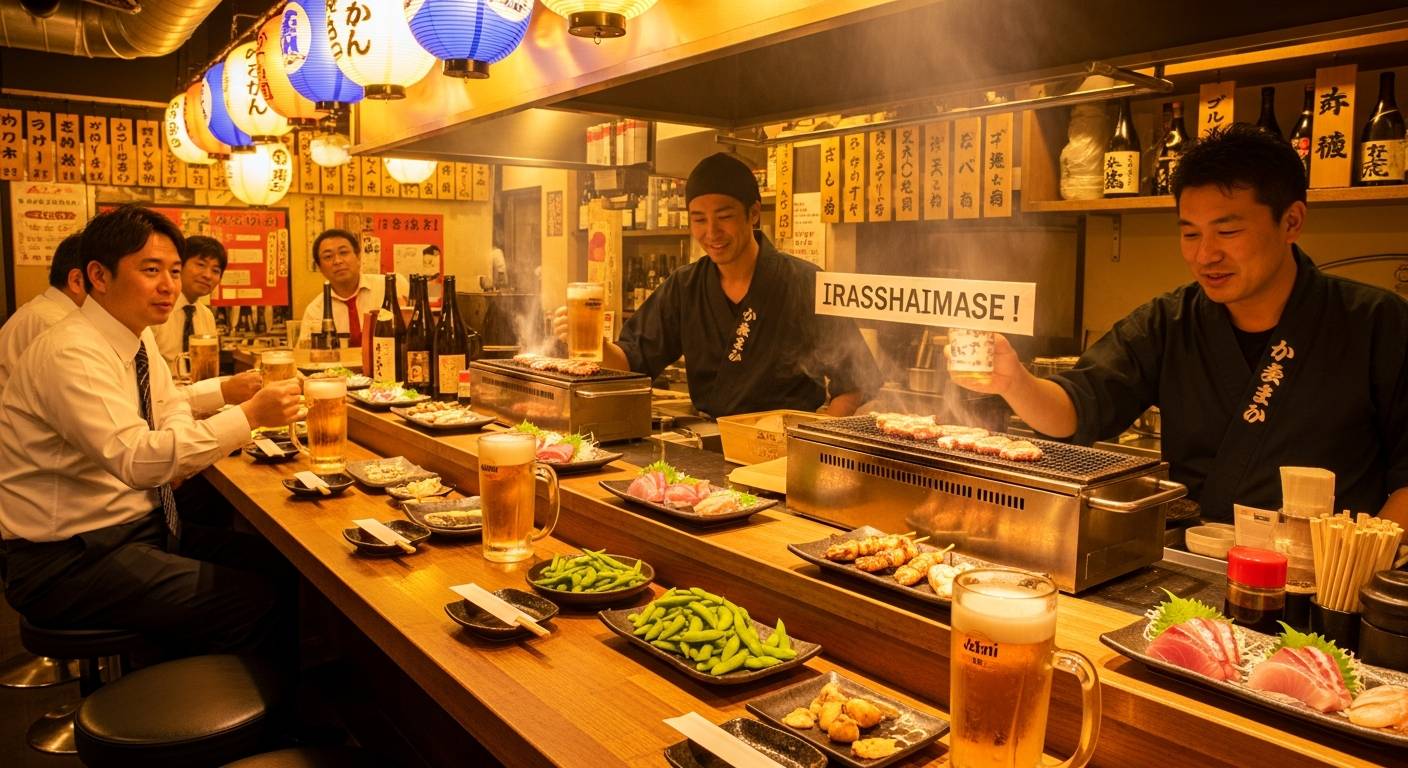
Stepping into a traditional Japanese IZAKAYA for the first time can be both exciting and intimidating for foreign visitors. These lively establishments are the heartbeat of Japan’s after-work social scene, offering much more than just delicious food and drinks. They represent a cultural institution where understanding the unwritten rules can significantly enhance your dining experience. As someone who has spent years exploring Tokyo’s vibrant food scene, I’m delighted to share insights about authentic IZAKAYA culture, particularly focusing on the exceptional experience you can find at establishments like Daigotakumi in Ginza, where traditional yakitori craftsmanship meets the convivial IZAKAYA atmosphere. Whether you’re planning your first trip to Japan or looking to deepen your appreciation of Japanese dining customs, this guide will help you navigate the fascinating world of IZAKAYA with confidence. From proper seating etiquette to ordering techniques and social customs, we’ll cover everything you need to know to enjoy these beloved Japanese pubs like a local.
1. IZAKAYA 101: Essential Tips for First-Time Visitors to Japanese Pubs
Walking into an izakaya for the first time can be an intimidating experience for foreign visitors. These traditional Japanese pubs are the heartbeat of Japan’s after-work social scene, but they come with unspoken rules that might confuse newcomers. Unlike Western bars, izakayas blend drinking with dining in a uniquely Japanese atmosphere that dates back centuries.
First, understand that “izakaya” (居酒屋) literally means “stay-drink-place” – an establishment where you can relax, drink, and enjoy small plates of food. Upon entering, you’ll likely hear a chorus of “Irasshaimase!” (Welcome!) from the staff. Don’t be alarmed by this enthusiastic greeting – it’s standard practice across Japan.
Most izakayas charge a seating fee called “otōshidai” or “tsukidashi,” which comes with a small appetizer. This is not a tourist trap but a legitimate cultural practice. Prices typically range from 300 to 700 yen per person. The food served as otōshidai varies by establishment but consider it your first taste of the izakaya experience.
When ordering drinks, begin with “Toriaezu nama!” (First, a draft beer!) – a common phrase that helps you blend in. Most izakayas offer an extensive selection beyond beer, including sake, shochu, whisky, and cocktails. Don’t hesitate to ask for recommendations by saying “Osusume wa nan desu ka?” (What do you recommend?).
For seating arrangements, many traditional izakayas offer tatami mat areas where shoes must be removed. If you’re uncomfortable sitting on floor cushions for extended periods, request table seating by saying “Teeburu seki onegaishimasu.” Popular establishments like Torikizoku or Shirokiya have various seating options to accommodate different preferences.
Remember that izakayas are social spaces where conversation flows as freely as the drinks. The volume tends to be louder than in other Japanese dining establishments, but still show respect to neighboring tables. To fully embrace the izakaya culture, order several small dishes to share rather than individual main courses – this tapas-style eating is the essence of the izakaya experience.
2. The Unwritten Rules of IZAKAYA: How to Blend in Like a Local
Stepping into an izakaya for the first time can be intimidating if you’re not familiar with the subtle social codes that govern these beloved Japanese drinking establishments. While there are no strict rulebooks, understanding these unwritten customs will help you enjoy the authentic izakaya experience without unwittingly committing faux pas.
When you first enter, you’ll likely hear a chorus of “Irasshaimase!” (Welcome!) from the staff. A simple nod of acknowledgment is sufficient—no need to respond verbally. Once seated, you’ll be presented with an oshibori (wet towel). Use this to clean your hands, not your face or neck, as this is considered improper.
Before drinking, it’s customary to wait until everyone at the table has been served. Then, raise your glass for a collective “Kanpai!” (Cheers!). Never pour your own drink—this is a cardinal rule. Instead, pour for others and they will reciprocate. When someone pours for you, show appreciation by holding your glass with both hands or with your right hand while supporting your wrist with your left.
Food at izakayas is meant to be shared. When taking food from shared plates, use the opposite end of your chopsticks (the end that hasn’t touched your mouth) or the serving utensils provided. Placing your chopsticks vertically in rice is taboo as it resembles funeral incense—rest them horizontally on a chopstick rest or across your plate instead.
At popular establishments like Torikizoku or Uotami, calling out “Sumimasen!” (Excuse me!) is the standard way to get staff attention. Waving or snapping fingers is considered rude. When paying, most izakayas prefer payment at the register rather than at the table. Some places like Shirokiya or Watami include a table charge (otōshidai) that typically comes with a small appetizer.
For groups, nomihōdai (all-you-can-drink) options offer excellent value, but pace yourself—there’s usually a two-hour limit. Chain izakayas like Torikizoku and Doma Doma are particularly accommodating to foreigners with picture menus and occasionally English-speaking staff.
Remember that while Japanese people are generally forgiving of foreigners’ mistakes, showing respect for these customs demonstrates cultural awareness. The more you observe and adapt to these unwritten rules, the more enjoyable and authentic your izakaya experience will become.
3. Toasting Traditions: Mastering the Art of “Kanpai” in Japanese IZAKAYA
No drinking experience in Japan is complete without mastering the essential ritual of “kanpai” (乾杯) – the Japanese equivalent of “cheers.” In izakaya culture, this ceremonial toast is far more than a casual gesture; it’s a significant social custom that brings everyone together at the start of the meal and drinking session.
When everyone’s drinks arrive at the table, resist the urge to take that first sip immediately. In Japanese drinking culture, it’s customary to wait until all glasses are filled and everyone is ready for the collective toast. The most senior person or the host typically initiates by raising their glass and saying “kanpai,” which literally translates to “dry glass” – similar to the Western notion of drinking your glass dry.
During the toast, maintain eye contact with others at the table while slightly lifting your glass higher than those of higher-status individuals (such as elders or your boss) as a sign of respect. After the collective “kanpai,” everyone takes their first sip together. This synchronized first drink symbolizes unity and shared experience – core values in Japanese social interactions.
In more formal settings, especially in business izakaya gatherings, the opening kanpai might be accompanied by a brief speech from the host or the most senior person present. If you’re visiting popular establishments like Torikizoku or Isomaru Suisan, you’ll notice the lively atmosphere as tables around you engage in their own kanpai rituals throughout the evening.
Beyond the initial toast, smaller “cheers” may occur throughout the night as new people join or fresh rounds are ordered. It’s considered polite to never let others drink alone, so these mini-toasts help maintain the communal atmosphere. A helpful tip for travelers: in Japan, it’s generally acceptable to say “kanpai” regardless of what beverage you’re drinking – alcoholic or non-alcoholic.
Remember that after the kanpai, Japanese drinking etiquette suggests you shouldn’t refill your own glass. Instead, watch for others with empty glasses and offer to pour for them. They will typically return the favor, creating a continuous exchange of goodwill that enhances the izakaya experience.
Mastering the art of kanpai goes beyond simply knowing when to raise your glass – it’s about participating in a time-honored tradition that fosters connection, shows respect, and immerses you authentically in Japanese drinking culture. Whether you’re enjoying premium sake at an upscale izakaya in Ginza or sharing pitchers of beer at a casual chain like Yoro no Taki, the kanpai tradition remains at the heart of the izakaya experience.
4. From Yakitori to Sashimi: What to Order at Your First IZAKAYA Experience
Walking into an izakaya for the first time can be overwhelming with menu options ranging from grilled skewers to raw delicacies. Understanding what to order will enhance your experience and ensure you don’t miss out on essential izakaya fare. Let’s explore the must-try dishes for first-timers.
Yakitori, grilled chicken skewers, represents the soul of izakaya dining. Begin with “negima” (chicken and green onion) or “momo” (thigh meat) for familiar flavors. More adventurous eaters can try “hatsu” (heart) or “reba” (liver) for authentic Japanese culinary experiences. Most establishments offer “omakase” yakitori platters that provide variety without the pressure of individual selection.
Sashimi is another cornerstone of izakaya menus. Fresh slices of maguro (tuna), sake (salmon), and tai (sea bream) are standard offerings. Quality izakayas like Uoshin in Tokyo or Isomaru Suisan chain prioritize seafood freshness. If raw fish intimidates you, try tataki – lightly seared fish or meat that bridges the gap between raw and fully cooked.
Don’t overlook izakaya’s vegetable dishes. Edamame (steamed soybeans) makes an excellent starter, while “nasu dengaku” (miso-glazed eggplant) showcases Japanese vegetable preparation expertise. Seasonal vegetable tempura provides a crisp counterpoint to other dishes.
For something substantial, karaage (Japanese fried chicken) is universally appealing. Its juicy interior and crisp coating pair perfectly with cold beer. Alternatively, okonomiyaki (savory pancake) or yakisoba (fried noodles) offer filling options to balance your drinking.
Speaking of drinks, while beer is popular, consider exploring sake varieties. Many izakayas offer “sake tasting sets” that let you sample different styles from different regions. Alternatively, try shochu (distilled spirit) or highballs (whiskey with soda) for authentic Japanese drinking experiences.
Remember that izakaya dining embraces variety. Order 2-3 dishes initially, then add more as you discover what appeals to you. Most dishes come in shareable portions, making izakayas perfect for exploring Japanese cuisine in a relaxed, convivial atmosphere.
5. IZAKAYA Dining Decoded: A Foreigner’s Guide to Japanese Pub Protocol
Stepping into an izakaya for the first time can feel like entering a different world, with unspoken rules and customs that might leave you wondering how to behave. These traditional Japanese pubs are the heartbeat of Japan’s after-work social scene, but they operate with distinct protocols that differ from Western bars. Let’s unpack the essential etiquette every foreign visitor should know.
Upon arrival, you’ll likely hear a chorus of “Irasshaimase!” (Welcome!) from the staff. It’s not necessary to respond—this greeting acknowledges your presence. Most izakayas offer both table seating and counter spots. If you’re dining solo or as a pair, the counter provides an authentic experience where you can watch the chefs at work.
Before eating, it’s customary to use the provided oshibori (wet towel) to clean your hands. When everyone is served their first drink, raise your glass for a collective “Kanpai!” (Cheers!) before taking your first sip. Drinking alone before this ritual is considered impolite.
Izakaya dining revolves around sharing plates. Rather than ordering individual meals, select several dishes for the table to share. Popular staples include yakitori (grilled chicken skewers), karaage (Japanese fried chicken), edamame, and sashimi. Order progressively throughout your visit rather than all at once.
When pouring drinks, Japanese etiquette dictates that you should serve others, not yourself. Watch for empty glasses around the table and offer to refill them. Your companions will return the favor—this reciprocal pouring creates camaraderie and demonstrates thoughtfulness.
Unlike Western restaurants, you won’t receive the bill automatically. When ready to leave, signal the staff with “Sumimasen, okaikei onegaishimasu” (Excuse me, bill please) or the universal check-signing gesture. Many establishments still prefer cash, although major izakaya chains like Torikizoku or Watami typically accept credit cards.
Remember that tipping is not practiced in Japan and may even cause confusion. The exceptional service you receive is included in the price, sometimes as a table charge (otōshi) that comes with a small appetizer.
By following these simple guidelines, you’ll integrate seamlessly into the izakaya environment, gaining authentic cultural insights while enjoying some of Japan’s most delicious casual cuisine and vibrant social atmosphere.
この記事へのコメントはありません。