

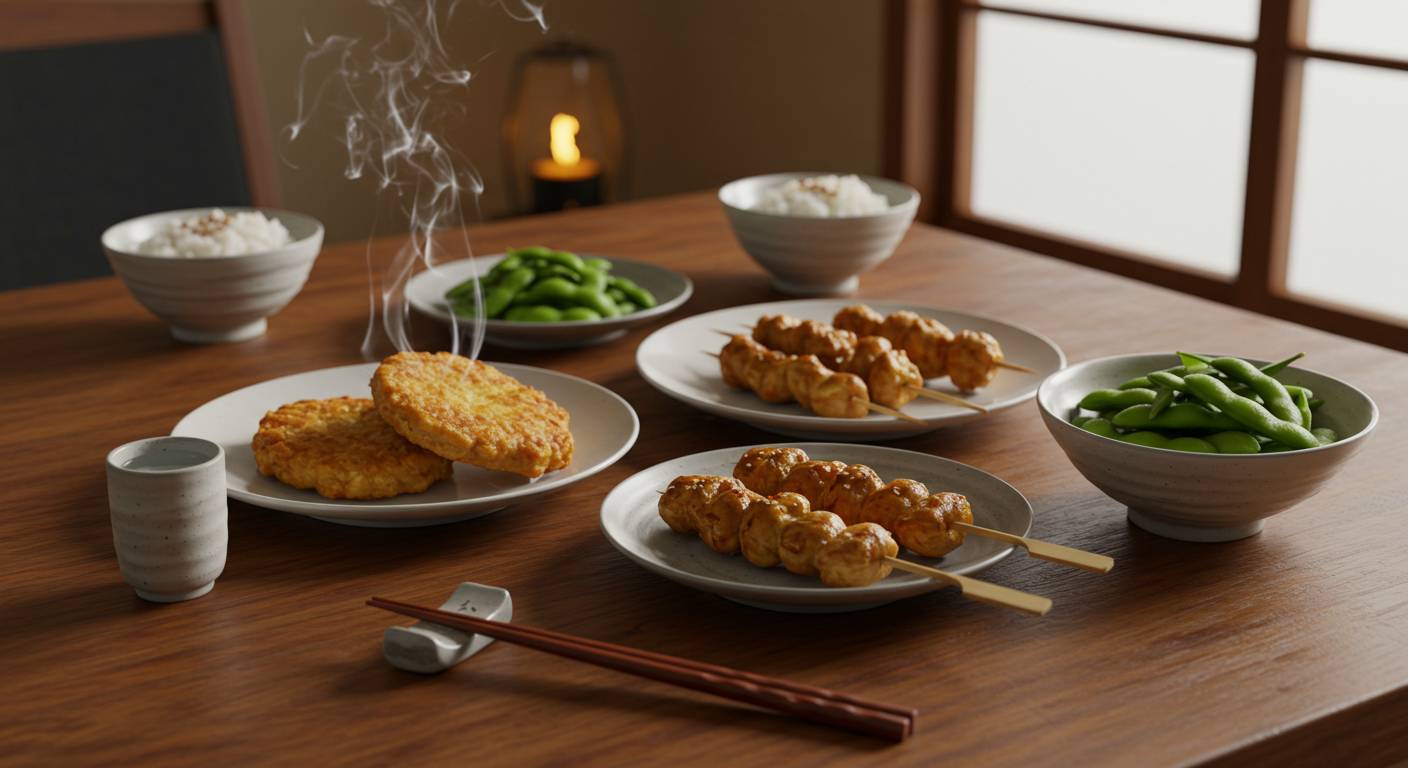
Have you ever walked into a cozy Japanese izakaya and felt that immediate sense of comfort wash over you? The sizzling sounds from the kitchen, the enticing aromas, and the promise of delicious, unpretentious food that satisfies on a soul-deep level? What if I told you that you could recreate that exact feeling in your own home, without needing years of culinary training?
Japanese comfort food has this magical quality of being simultaneously simple yet incredibly flavorful. It’s the kind of cooking that doesn’t require fancy equipment or impossible-to-find ingredients, but still delivers that “wow” factor that makes people ask for seconds (and your recipe).
As someone who’s spent countless evenings exploring the hidden izakaya gems of Japan, I’m excited to share some authentic techniques and recipes that have been passed down through generations. Whether you’re looking to impress friends at your next dinner party or just want to treat yourself to something special on a quiet evening at home, these izakaya-inspired dishes will transform your dining experience.
In this guide, I’ll take you through everything from yakitori (those irresistible grilled skewers) to heartwarming donburi bowls that can cure even the worst day. The best part? You probably already have most of the ingredients in your pantry!
So grab your chopsticks and let’s dive into the wonderful world of Japanese comfort food that you can easily make tonight!
1. Master These 5 IZAKAYA Dishes That Will Impress Your Friends
Transforming your home kitchen into a Japanese izakaya is easier than you might think. These five authentic izakaya dishes are not only impressive to serve at dinner parties but also surprisingly simple to prepare. Let’s explore these crowd-pleasing recipes that capture the essence of Japan’s beloved pub food culture.
First on our list is Yakitori – skewered chicken that’s grilled to perfection. The secret lies in the tare sauce, a sweet-savory glaze made from soy sauce, mirin, sake, and sugar. Alternate chicken thigh pieces with scallions on skewers, brush with tare while grilling, and you’ll achieve that authentic charred flavor that makes yakitori irresistible.
Next, Agedashi Tofu offers a delightful textural experience. Crispy on the outside yet silky within, these deep-fried tofu cubes are served in a umami-rich dashi broth and topped with grated daikon, green onions, and bonito flakes. The contrast between the warm, crunchy tofu and the cool toppings creates a memorable dish that’s visually stunning.
Third, Karaage (Japanese fried chicken) consistently ranks as one of Japan’s most beloved dishes. Marinated in ginger, garlic, soy sauce, and sake before being coated in potato starch, these juicy morsels develop an unmatched crispiness. Serve with a lemon wedge and homemade Japanese mayonnaise for an authentic touch.
For something vibrant and refreshing, master Goma-ae, a spinach salad dressed with nutty sesame sauce. Blanch the spinach briefly, squeeze out excess water, and toss with a paste made from toasted sesame seeds, soy sauce, sugar, and mirin. This verdant side dish balances richer offerings and adds beautiful color to your spread.
Finally, Takoyaki brings playful fun to your table. These spherical snacks filled with octopus pieces require a special pan, but the joy of watching these balls cook as you rotate them makes the investment worthwhile. Topped with takoyaki sauce, Japanese mayonnaise, bonito flakes, and aonori seaweed, they deliver the ultimate izakaya experience at home.
With these five dishes in your repertoire, you’ll capture the convivial spirit of an authentic izakaya while impressing guests with your culinary prowess. The beauty of these recipes lies in their accessibility—they use ingredients increasingly available in international markets while delivering unmistakably Japanese flavors.
2. The Ultimate Guide to Japanese Comfort Food You Can Make Tonight
Japanese comfort food brings the warmth and satisfaction of izakaya-style dining right to your kitchen. These dishes combine simplicity with deep umami flavors that make them perfect for weeknight cooking. Start with classic Oyakodon, a “parent-and-child” rice bowl featuring tender chicken and eggs simmered in dashi, soy sauce, and mirin. This one-pot meal comes together in under 20 minutes and delivers authentic flavors with minimal effort.
For something even simpler, try Omurice – a Japanese omelette filled with ketchup-flavored fried rice. This dish is beloved by both children and adults across Japan and requires only pantry staples. The trick is to cook the omelette just until it’s set on the outside while maintaining a creamy interior texture.
Okonomiyaki, often called “Japanese pizza,” offers endless customization possibilities. This savory pancake combines cabbage, protein of your choice, and a special sauce that creates a deliciously complex flavor profile. Top with Kewpie mayonnaise, bonito flakes, and pickled ginger for an authentic izakaya experience.
Don’t overlook Nikujaga, a homestyle beef and potato stew that exemplifies the comforting side of Japanese cuisine. This dish simmers thinly sliced beef with potatoes and onions in a sweet-savory broth until everything becomes meltingly tender. It’s the Japanese equivalent of a warm hug in food form.
For a quick side dish, prepare Kinpira Gobo – a stir-fry of burdock root and carrots seasoned with soy sauce, mirin, and a touch of chili. This nutritious dish offers a pleasant crunch and earthy flavors that complement richer main courses.
What makes these dishes truly special is their accessibility. Most ingredients can be found at standard grocery stores, though a quick trip to an Asian market will yield more authentic results. The techniques are straightforward, focusing on proper seasoning rather than complicated methods. Even kitchen novices can master these recipes with just a few attempts.
3. Secret Techniques from IZAKAYA Chefs for Amazing Home Cooking
Japanese izakaya chefs have perfected techniques over generations that create those irresistible flavors we crave. The good news? Many of these methods can be adapted for your home kitchen. Let’s unlock these professional secrets to elevate your Japanese cooking instantly.
First, master the art of proper knife skills. Izakaya chefs understand that cutting ingredients to specific sizes affects cooking time and flavor absorption. For vegetables in nimono (simmered dishes), cutting into equal sizes ensures even cooking. For fish, the katsuramuki technique—creating paper-thin slices—maximizes surface area for marinades.
Temperature control is another crucial skill. Professional izakaya kitchens preheat pans thoroughly before adding oil, creating that perfect sear on proteins. When making tempura, they maintain oil at precisely 170-180°C (338-356°F), testing with a wooden chopstick that should produce gentle bubbles when inserted.
The umami-boosting technique of “nijiru” involves double-cooking. For example, quickly blanch vegetables before adding them to a stir-fry or simmer meat briefly before grilling. This builds complex flavor layers impossible to achieve with single-cooking methods.
Proper seasoning timing differentiates amateur from professional results. Add salt to vegetables before stir-frying to draw out moisture, but season meat after searing to prevent moisture loss. For dashi-based soups, add delicate ingredients like tofu last to preserve their texture.
Ingredient preparation secrets include soaking sliced onions in cold water to remove harshness while maintaining crispness, and massaging cabbage with salt before making okonomiyaki for improved texture. For chicken karaage, marinating in shio-koji (salt koji) for 30 minutes tenderizes the meat while adding depth.
The finishing technique of “aroma oil” involves heating sesame oil with aromatics like green onion and ginger, then drizzling this fragrant oil over completed dishes just before serving—instantly adding restaurant-quality aroma and visual appeal.
By incorporating these professional techniques into your routine, your home cooking will begin to capture that authentic izakaya magic that keeps customers returning to their favorite establishments night after night.
4. Transform Your Kitchen into a Japanese IZAKAYA with These Easy Recipes
The essence of Japanese izakaya dining can be recreated in your own kitchen with just a few key recipes. Imagine the warm ambiance of those cozy Japanese pubs where small plates of delicious food complement drinks and conversation. Start with yakitori – simple grilled chicken skewers seasoned with salt or brushed with a sweet-savory tare sauce. All you need are bite-sized pieces of chicken thigh, bamboo skewers, and a hot grill or broiler.
For an authentic izakaya experience, try making agedashi tofu – crispy fried tofu cubes served in a delicate dashi broth. The contrast between the crisp exterior and silky interior creates that perfect izakaya texture balance. Pair it with a homemade ponzu sauce for dipping.
No izakaya menu would be complete without takoyaki – savory octopus balls. While traditionally requiring a special pan, you can adapt using a cake pop maker or mini muffin tin. The key ingredients are diced octopus, green onions, pickled ginger, and a light, fluffy batter.
For a simpler option, Japanese pickles (tsukemono) offer that perfect palate cleanser between bites. Try quick-pickling cucumber with rice vinegar, salt, and a touch of sugar for an instant side dish that complements heartier izakaya fare.
Complete your home izakaya experience with proper presentation – serve dishes on small plates as they’re ready, encouraging sharing and conversation. The beauty of izakaya cooking lies in its simplicity and focus on fresh ingredients rather than complicated techniques. These approachable recipes allow anyone to bring the convivial spirit of Japanese pub dining into their home kitchen, no matter their culinary skill level.
5. Top Japanese Comfort Foods That Heal Your Soul and Satisfy Your Stomach
Japanese comfort food goes beyond mere sustenance—it provides a soul-warming experience that connects generations through shared flavors and cooking techniques. These dishes represent the heart of Japanese home cooking, offering both nourishment and emotional satisfaction. Let’s explore five quintessential comfort foods that exemplify the izakaya spirit while being perfectly adaptable for your home kitchen.
Okayu (Japanese rice porridge) stands as perhaps the ultimate comfort food in Japan. This silky, gentle rice porridge simmered with dashi broth becomes a canvas for seasonal toppings like umeboshi (pickled plum), salted salmon, or a simple sprinkle of green onions. Many Japanese remember okayu as the healing food their grandmother would prepare when they felt unwell. The dish’s simplicity belies its deeply restorative properties.
Oyakodon, literally “parent-and-child bowl,” combines chicken and eggs simmered in a sweet-savory dashi sauce over rice. The name poetically references the chicken and egg sharing space in one comforting bowl. This one-pot wonder delivers complex flavors with minimal effort—the hallmark of excellent comfort food. The soft-set eggs create a creamy texture that binds everything together in harmonious balance.
Nikujaga (meat and potato stew) brings together thinly sliced beef, potatoes, and onions simmered in a soy-based broth until the potatoes become tender enough to break with chopsticks. Originally created to replicate Western beef stew, nikujaga has evolved into a distinctly Japanese dish. The subtle sweetness and umami depth make it a perennial favorite in Japanese households during colder months.
Onigiri, hand-formed rice balls filled with ingredients like pickled plum, salted salmon, or seasoned kombu, represent portable comfort food at its finest. These humble rice triangles wrapped in nori seaweed contain childhood memories for many Japanese people. The beauty of onigiri lies in their versatility—they can be as simple or elaborate as you desire, making them perfect for busy weeknights or thoughtful lunch preparations.
Chawanmushi, a savory egg custard steamed in a cup, delivers gentle comfort through its silky texture and delicate dashi flavor. Studded with small treasures like shiitake mushrooms, chicken, ginkgo nuts, and kamaboko (fish cake), each spoonful offers a different discovery. The dish demonstrates how Japanese comfort food often emphasizes texture as much as flavor, creating a multisensory experience that soothes both body and mind.
These five dishes exemplify how Japanese comfort food balances simplicity with depth, tradition with accessibility. By incorporating these soul-satisfying recipes into your repertoire, you bring not just the flavors but the healing spirit of Japanese home cooking into your daily life. Each dish offers a moment of mindful appreciation—a brief respite from the day’s demands through the universal language of comfort food.
この記事へのコメントはありません。