

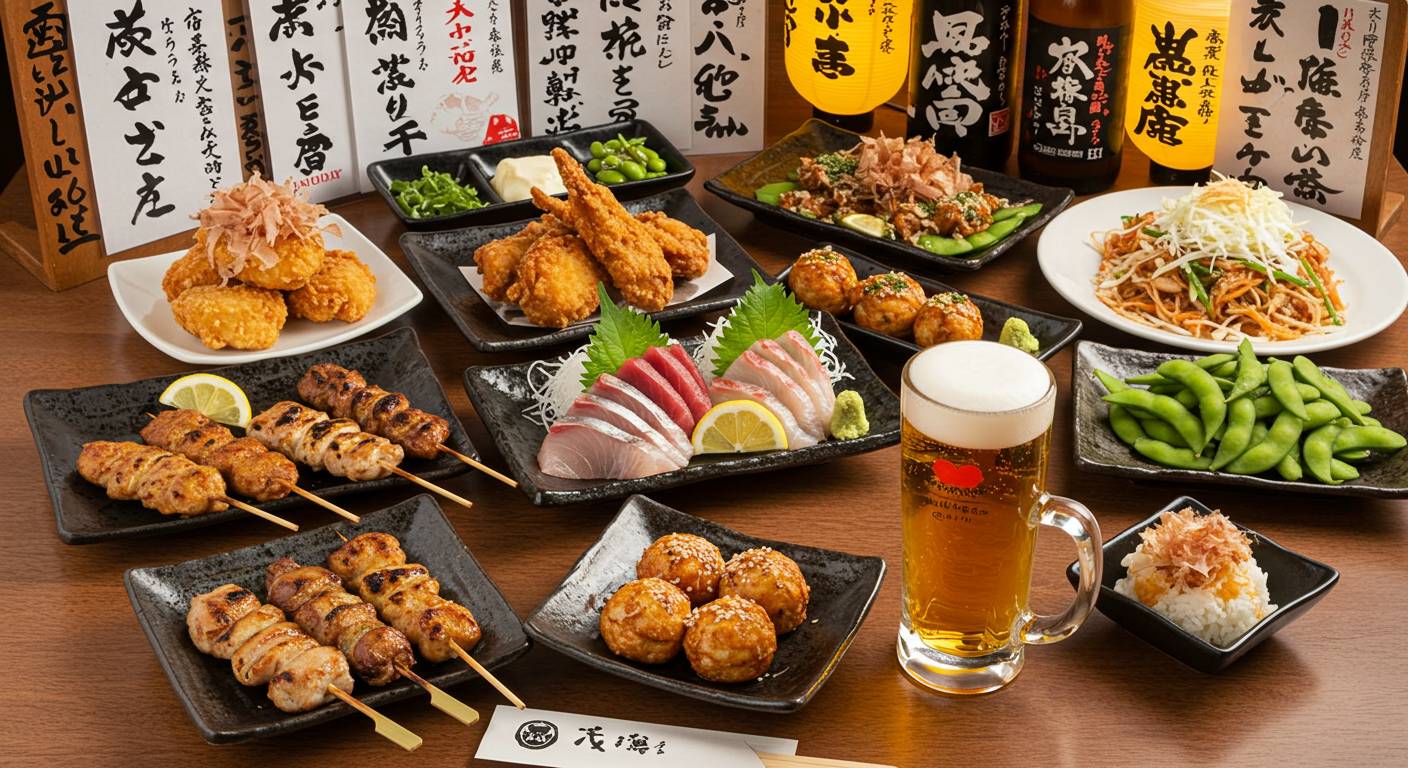
Are you planning your first IZAKAYA adventure but feeling overwhelmed by the menu? Don’t worry, I’ve got you covered! Japanese izakaya establishments offer some of the most delicious and authentic dining experiences, but those extensive menus with unfamiliar dishes can be intimidating for newcomers. After years of exploring Tokyo’s best izakaya spots and sampling countless small plates, I’m excited to share my insider knowledge. This guide will walk you through must-try dishes that will impress your friends and delight your taste buds. From perfectly grilled yakitori skewers to mouthwatering sashimi, I’ll reveal not just what to order, but also how to order like a local. Whether you’re visiting Japan soon or just want to navigate your local izakaya with confidence, these recommendations will transform you from a nervous first-timer to an izakaya enthusiast. Ready to discover the irresistible flavors that keep people coming back to these beloved Japanese pubs? Let’s dive into the ultimate izakaya food experience!
1. The Ultimate Guide to IZAKAYA Food: What Every First-Timer Needs to Know
Stepping into a Japanese izakaya for the first time can be both exciting and overwhelming. These traditional Japanese pubs offer an authentic culinary experience with their vast array of small, shareable dishes designed to accompany alcoholic drinks. For newcomers, navigating an izakaya menu might seem daunting with its variety of unfamiliar items, but understanding the basics can transform your dining experience from confusing to confident.
Izakayas typically organize their menus into several categories. Start with “Osusume” (recommendations) which showcase the establishment’s specialties. “Sakana” or “Otsumami” sections feature appetizers designed specifically to pair with alcohol. Look for classics like Edamame (steamed soybeans), Hiyayakko (chilled tofu), and Tsukemono (pickled vegetables) – perfect light starters to begin your culinary journey.
For protein lovers, the “Yakitori” section offers various skewered grilled chicken parts. Don’t miss Negima (chicken with green onion) and Tsukune (chicken meatballs), often served with a tare sauce or simple salt. More adventurous diners might try Kawa (chicken skin) or Nankotsu (cartilage) for authentic experiences that locals favor.
Seafood enthusiasts should explore the “Sakana” or “Kaisen” sections. Sashimi platters provide the freshest raw fish experience, while Grilled Fish (Yakizakana) offers a comforting, familiar preparation. Agedashi Tofu (deep-fried tofu in dashi broth) bridges the gap for those still exploring Japanese flavors.
The “Agemono” (fried foods) section features crowd-pleasers like Karaage (Japanese fried chicken) and Tempura. These crispy delights are universal favorites even among first-timers. For heartier options, look to “Noodles and Rice” sections, where Yakisoba (stir-fried noodles) and Ochazuke (rice with tea) provide satisfying comfort foods.
When it comes to drinks, begin with a Nama Biiru (draft beer) before exploring Sake options. Many izakayas offer Sake tasting flights that allow you to sample various styles with expert guidance.
Remember that dining at an izakaya is about the experience as much as the food. Unlike Western restaurants, items arrive when ready rather than in courses. Embrace this leisurely pace, order dishes to share, and continue ordering throughout your visit for an authentic Japanese dining adventure.
2. 5 Mind-Blowing IZAKAYA Dishes That Will Change Your Life
Traditional Japanese izakayas offer culinary experiences that transcend ordinary dining, featuring dishes that combine centuries-old techniques with bold flavors. For newcomers navigating these establishments, certain standout items deserve special attention for their ability to transform your perception of Japanese cuisine forever.
Takoyaki stands as the quintessential izakaya experience—perfectly crisp octopus balls with a creamy center, topped with dancing bonito flakes and drizzled with special sauce. The contrast between the exterior crunch and molten interior creates a textural masterpiece that has converted countless first-time tasters into lifetime devotees.
Equally transformative is karaage, Japan’s answer to fried chicken. Unlike its Western counterparts, authentic izakaya karaage features marinated thigh meat in a delicate potato starch coating, creating a juicy interior with a gossamer-light crunch that makes American versions seem pedestrian by comparison.
For those seeking unforgettable flavor combinations, yakitori negima—skewers alternating succulent chicken thigh and tender green onion—offers perfect umami harmony through simple ingredients grilled over binchotan charcoal. This marriage of protein and vegetables highlights Japanese cuisine’s emphasis on enhancing natural flavors.
The unassuming appearance of agedashi tofu belies its complexity—silken tofu cubes with a whisper-thin fried exterior swimming in dashi broth, topped with grated daikon and green onion. This dish demonstrates how humble ingredients achieve transcendence through technical perfection.
Perhaps most revelatory is okonomiyaki, often described as a Japanese pancake but more accurately a regional specialty combining cabbage, protein, and various toppings grilled into a cohesive savory disc. Finished with special sauce, mayonnaise, and bonito flakes, it represents the playful yet precise spirit that makes izakaya dining so addictive to international visitors.
3. Eat Like a Local: Secret IZAKAYA Menu Items You Can’t Miss
Beyond the standard fare lies a treasure trove of hidden menu items that locals know to ask for. These “secret” dishes aren’t always listed but represent some of the most authentic izakaya experiences available. Start with “Nankotsu Karaage” – crispy fried chicken cartilage that provides the perfect crunchy texture alongside your cold beer. This calcium-rich snack is a bartender’s favorite that many tourists overlook.
Another insider choice is “Horumon” dishes – various grilled organ meats that showcase the Japanese philosophy of using every part of the animal. The most prized is often “Gyutan” (beef tongue), thinly sliced and lightly seasoned to perfection. At establishments like Torikizoku or Isomaru Suisan, regulars know to ask if there are any special preparations available that day.
Don’t miss “Shuto” – fermented bonito intestines with a rich umami flavor that pairs extraordinarily well with sake. While the description might sound challenging, this delicacy represents the depth of Japanese culinary tradition. Similarly, “Shirako” (cod milt) appears seasonally and is beloved for its creamy texture and subtle ocean flavor.
For vegetable lovers, ask about “Hashi-Yasume” or “chopstick rest” dishes – small vegetable plates designed to cleanse the palate between heartier options. The assorted pickles (tsukemono) at renowned izakayas like Uoshin or Teyandei often feature seasonal specialties prepared using traditional methods.
Finally, inquire about “Matsutake Gohan” during autumn – rice cooked with premium matsutake mushrooms, often available in limited quantities and rarely listed on regular menus. This aromatic dish represents seasonal eating at its finest and demonstrates why knowing what locals order elevates your izakaya experience from tourist to traveler.
4. From Yakitori to Sashimi: Your Complete IZAKAYA Food Adventure
Stepping into a traditional Japanese izakaya can be overwhelming for first-timers, especially when faced with a menu filled with unfamiliar dishes. This comprehensive guide will navigate you through essential izakaya offerings that create an authentic Japanese dining experience.
Yakitori stands as the cornerstone of izakaya culture. These skewered chicken pieces, grilled over charcoal, come in varieties including juicy thigh meat (momo), tender breast (mune), and flavorful chicken skin (kawa). For the adventurous, try chicken heart (hatsu) or liver (reba), offering distinctive textures and flavors. Most establishments offer a choice between salt (shio) or sweet soy sauce (tare) seasonings—both equally delicious.
Sashimi represents the pinnacle of Japanese culinary artistry at izakayas. This raw fish, sliced with precision, showcases the chef’s skill and ingredient quality. Popular varieties include maguro (tuna), sake (salmon), and hamachi (yellowtail). Quality izakayas serve sashimi at the perfect temperature, allowing natural flavors to shine. The accompanying wasabi and soy sauce should complement, never overpower, the delicate fish.
Don’t overlook izakaya staples like agedashi tofu—deep-fried tofu cubes in savory dashi broth—or karaage, Japan’s answer to fried chicken, featuring marinated morsels with crispy exteriors and juicy centers. Vegetable dishes deserve attention too; try goma-ae (vegetables with sesame dressing) or nasu dengaku (miso-glazed eggplant).
Izakaya dining embraces sharing multiple small plates. A well-balanced order might include one yakitori selection, a sashimi plate, one or two hot dishes, and a vegetable option. This approach allows you to experience diverse flavors while maintaining the convivial atmosphere that makes izakayas special.
Pair your food with traditional beverages like sake, shochu, or draft beer (nama bīru). Many establishments offer beverage pairing suggestions that elevate specific dishes—a thoughtful server can guide these selections to enhance your meal.
Remember that izakaya dining has its own rhythm—dishes arrive when ready rather than simultaneously. This pacing encourages conversation and appreciation of each plate. Embrace this cultural aspect for an authentic experience that goes beyond mere eating to become a memorable culinary journey through Japan’s beloved casual dining tradition.
5. IZAKAYA 101: The Tastiest Dishes That Will Make You an Instant Expert
Navigating an izakaya menu can feel overwhelming for newcomers, but mastering a few essential dishes will transform you from tourist to connoisseur in no time. Let’s explore the cornerstone offerings that define the authentic izakaya experience.
Karaage (Japanese fried chicken) consistently ranks as a top favorite among both locals and visitors. Unlike its Western counterparts, this chicken is marinated in soy sauce, ginger, and garlic before being double-fried to achieve that perfect balance of juicy interior and crispy exterior. Most establishments serve it with a lemon wedge and mayonnaise – squeeze that citrus generously for the full effect.
Yakitori (grilled chicken skewers) represents the soul of izakaya dining. The most popular varieties include negima (chicken and green onion), tsukune (seasoned chicken meatballs), and kawa (crispy chicken skin). True aficionados know to request “tare” (sweet soy glaze) or “shio” (salt) seasoning. Pair these with a cold draft beer for a match made in culinary heaven.
Agedashi tofu deserves special attention despite its humble appearance. These golden cubes of deep-fried tofu served in dashi broth with grated daikon, green onions and bonito flakes deliver an umami explosion that belies their simple preparation. The contrast between the crisp exterior and silky interior makes this dish irresistible.
Dashimaki tamago, a sweet-savory rolled omelette, serves as the benchmark of an izakaya’s quality. Master chefs incorporate dashi stock into the eggs, creating distinct layers through careful rolling in a rectangular pan. The best versions maintain a slightly runny center while exhibiting perfectly uniform layers.
Sashimi platters provide a refreshing counterpoint to the heartier izakaya staples. Even if you’re hesitant about raw fish, the quality at reputable izakayas is exceptional. Start with salmon (sake), tuna (maguro), or yellowtail (hamachi) before advancing to more adventurous options like horse mackerel (aji) or sea urchin (uni).
For the complete experience, conclude with ochazuke – a comforting bowl of rice topped with simple ingredients like salmon or pickled plum, over which hot green tea or dashi is poured. This traditional closer signals the end of a proper izakaya feast and soothes the stomach after an evening of indulgence.
Master these fundamental dishes, and you’ll navigate any izakaya with the confidence of a regular, impressing your companions and ensuring an authentic Japanese dining adventure with every visit.
この記事へのコメントはありません。