

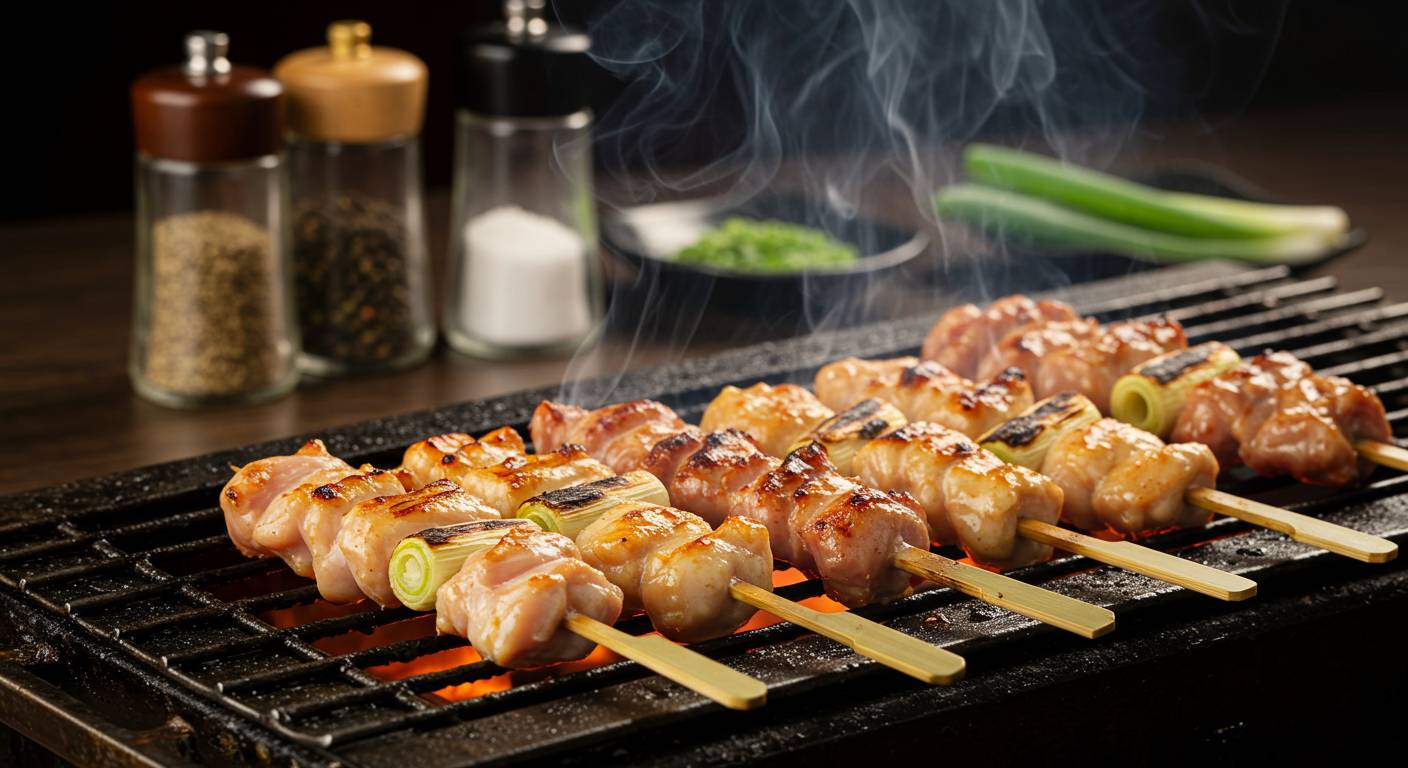
Are you tired of ordinary backyard grilling? Craving that authentic Japanese yakitori experience without leaving your home? You’re in the right place! As someone who’s spent countless hours perfecting the art of yakitori, I’m thrilled to share professional techniques that will elevate your skewer game instantly.
The magic of yakitori lies in its beautiful simplicity – perfectly grilled skewered chicken with that irresistible smoky flavor and caramelized glaze. But let’s be honest: there’s a significant difference between mediocre home-cooked yakitori and the mouthwatering versions served at specialized Japanese restaurants.
What if I told you that gap could be bridged right in your own kitchen or backyard? After consulting with top yakitori chefs and testing dozens of methods, I’ve compiled the ultimate guide to creating restaurant-quality yakitori at home – no professional binchotan grill required!
Whether you’re hosting a dinner party or just want to impress your family with something special, these expert techniques will transform your cooking. The best part? These methods are accessible to anyone, regardless of your current culinary skill level.
Ready to discover how the pros achieve that perfect char, juiciness, and flavor that keeps customers coming back? Let’s dive into the world of authentic yakitori preparation that you can master today!
1. Unlock Pro Yakitori Skills: Chef’s Secret Grilling Methods
Mastering yakitori at home isn’t just possible—it’s surprisingly achievable with the right techniques. Professional chefs have perfected methods that transform simple skewered chicken into mouthwatering culinary experiences, and these techniques aren’t exclusive to high-end izakayas. The secret to restaurant-quality yakitori lies in understanding heat management, precise skewering, and the art of tare application.
First, authentic yakitori demands proper heat distribution. Professional chefs use binchotan charcoal for its clean, intense heat that reaches 1,000°C yet burns with minimal smoke. At home, you can approximate this using high-quality hardwood charcoal in a ceramic grill or specialized yakitori grill. Create a heat gradient by positioning coals higher on one side—this gives you different temperature zones for controlled cooking.
The skewering technique makes a remarkable difference. Pros thread ingredients with precision, ensuring even spacing between pieces to promote uniform cooking. For thigh meat (momo), fold each piece once before skewering to create thickness consistency. When preparing negima (chicken and green onion), alternate the ingredients so the scallions don’t burn while the chicken cooks thoroughly. Always leave about 1.5 inches of skewer exposed at the bottom for handling.
Perhaps the most guarded secret is the double-glazing method. Rather than simply brushing tare sauce once, apply it in stages. First, grill the skewers until about 75% cooked, then brush with tare and continue grilling. Apply a second coat just before removing from heat. This layering creates depth of flavor and the signature glaze that distinguishes professional yakitori.
Masterful yakitori also depends on understanding each cut’s optimal cooking time. Tender parts like liver (reba) need only 45-60 seconds per side, while denser parts like thigh require 2-3 minutes with regular turning. Watch for visual cues: slight caramelization indicates perfect timing for applying tare.
By adopting these chef-approved techniques, your home-cooked yakitori can achieve that perfect balance of smoky char, tender meat, and caramelized glaze that makes this Japanese classic so irresistible.
2. The Ultimate Guide to Perfect Yakitori in Your Backyard
Transforming your backyard into a yakitori paradise doesn’t require professional training—just insider knowledge and the right approach. Japanese chefs have perfected yakitori grilling over centuries, and now you can bring these techniques home. The magic of yakitori lies in its simplicity: skewered chicken, intense heat, and careful attention to detail.
First, select the right equipment. While traditional Japanese konro grills are ideal, a standard charcoal grill works perfectly well when properly set up. The key is managing high heat (around 400-450°F) and creating a narrow grilling surface to concentrate that heat. Binchotan charcoal produces the best results with its clean-burning properties, but high-quality hardwood charcoal makes an excellent substitute.
Ingredient preparation makes or breaks your yakitori experience. Source the freshest chicken possible, preferably from local farms or high-quality butchers like Whole Foods. Traditional yakitori utilizes every part of the bird—from tender thigh meat (momo) to crispy skin (kawa), rich hearts (hatsu), and delicate cartilage (nankotsu). Precise, uniform cutting ensures even cooking and professional presentation. Cut meat into 1-inch cubes and thread onto bamboo skewers that have been soaked for at least 30 minutes.
Seasoning follows two primary paths: salt (shio) or tare sauce. For shio, use high-quality sea salt applied just before grilling. For tare, create a balanced sauce by simmering soy sauce, mirin, sake, brown sugar, and chicken scraps for depth. Apply tare multiple times during cooking using a brush dedicated to this purpose.
The grilling technique itself requires patience and precision. Position skewers about 4 inches above hot coals, turning frequently to develop color without burning. Master the “rotate and rest” method—giving skewers brief cooking periods followed by rest periods away from direct heat. This technique, called “hijiri” by professional yakitori chefs, creates the perfect texture and juiciness.
Temperature control separates amateur efforts from restaurant-quality results. Different chicken parts require different cooking approaches: breast meat needs quick, hot cooking to remain tender, while skin demands patient rendering to achieve crackling crispness. Chicken thighs, the most forgiving cut, should reach an internal temperature of 165°F while remaining juicy.
Finally, presentation elevates your backyard yakitori. Serve skewers immediately after cooking, arranged artfully on ceramic plates. Accompany with traditional sides like shishito peppers, pickled vegetables, and cold beer or sake for an authentic experience that rivals Tokyo’s finest yakitori establishments.
With these techniques mastered, your backyard yakitori will impress even the most discerning guests and transport them to the vibrant alleyways of Japan’s izakaya culture—no passport required.
3. 5 Chef-Tested Tricks for Authentic Yakitori Flavor at Home
Creating restaurant-quality yakitori at home might seem intimidating, but professional chefs have perfected several techniques that home cooks can easily replicate. These five chef-tested tricks will transform your homemade yakitori from basic to authentic without requiring specialized equipment.
First, proper skewering technique makes all the difference. Japanese chefs recommend using flat bamboo skewers rather than round ones to prevent meat from spinning during cooking. Soak these skewers in water for at least 30 minutes before use, and when threading chicken pieces, leave small spaces between each piece to ensure even cooking throughout.
Second, the binchotan charcoal secret. While traditional binchotan charcoal provides the signature smokiness in restaurants like Torishin in New York, home cooks can approximate this flavor by using a combination of hardwood charcoal and a few soaked hickory chips. This creates clean, high heat with just enough smoke to infuse the meat.
Third, master the tare sauce. Chef Tadashi Ono suggests a balanced ratio of 5:3:1:1 (soy sauce:mirin:sake:sugar) for an authentic tare. The key technique many home cooks miss is reducing this mixture to a syrupy consistency before using, concentrating the umami compounds that make yakitori irresistible.
Fourth, implement double-brushing. Instead of continuously basting, professional chefs apply tare at precisely two moments: midway through cooking and again 15 seconds before removing from heat. This timing prevents burning while creating the perfect caramelized exterior.
Finally, perfect the “rest-and-reheat” method. Chefs at Yakitori Totto partially cook their skewers ahead of time, rest them, then finish them over high heat just before serving. This technique develops deeper flavor while ensuring juiciness and perfectly rendered fat.
Implementing these five professional techniques will dramatically improve your homemade yakitori, creating an authentic Japanese grilling experience that rivals specialized restaurants without requiring years of training or specialized equipment.
4. From Restaurant to Living Room: Master Yakitori Like a Pro
Bringing the authentic yakitori experience into your home kitchen might seem intimidating, but with the right approach, you can create restaurant-quality skewers that will impress even the most discerning guests. Professional chefs have perfected techniques over decades that you can now adapt for your home cooking adventure.
The first secret to professional-level yakitori is proper skewer preparation. Top Tokyo yakitori establishments like Torishiki and Bird Land soak their bamboo skewers for at least 30 minutes before use to prevent burning. If you’re using metal skewers, lightly oil them before threading your ingredients for easier release after cooking.
Temperature control separates amateur efforts from professional results. Unlike restaurants with specialized binchotan charcoal grills, home cooks can achieve excellent results with a cast iron grill pan or broiler. The key is maintaining consistent medium-high heat (around 400°F/200°C) throughout the cooking process. Chef Yoshiteru Ikegawa of Torishiki recommends letting your cooking surface preheat fully before introducing any skewers.
Yakitori masters understand that timing is everything. Chicken thighs need approximately 8-10 minutes with frequent turning, while delicate items like chicken liver require just 3-4 minutes. Instead of relying solely on cooking times, learn to recognize visual cues—slightly charred edges and juices that run clear indicate perfect doneness.
The tare (sauce) application technique is another professional secret. Rather than drowning skewers in sauce before cooking, authentic yakitori chefs build flavor through multiple light glazings. Apply your tare with a brush during the final moments of cooking, allowing each layer to caramelize slightly before adding the next. This creates the signature lacquered appearance found in prestigious establishments.
Finally, presentation transforms good yakitori into great yakitori. Chef Hideki Ohnishi of Kisuke arranges skewers in a precise formation, grouping similar items together and garnishing with simple accompaniments like fresh shishito peppers or pickled vegetables. A light sprinkle of sansho pepper or toasted sesame seeds provides the final professional touch.
By incorporating these restaurant techniques into your home cooking routine, the distinctive smoky-sweet flavors of authentic yakitori become accessible in your own dining room. The true joy of mastering yakitori lies in the continuous refinement of technique with each batch you prepare.
5. Transform Your Dinner Party with These Expert Yakitori Techniques
Elevate your next dinner gathering with authentic yakitori techniques that will impress even the most discerning guests. Yakitori, Japan’s beloved skewered chicken, creates an interactive dining experience that transforms an ordinary meal into a memorable event. The secret lies not just in the ingredients, but in the presentation and cooking methods.
Start by creating the right atmosphere. Arrange your dining space with low lighting and consider using traditional Japanese elements like bamboo mats or minimalist tableware. Many professional chefs, including Yoshiteru Ikegawa of Torishiki in Tokyo, emphasize that the experience begins before the first bite.
The tare sauce is your foundation for flavor complexity. Prepare this sweet-savory glaze by simmering soy sauce, mirin, sake, and brown sugar with aromatics like ginger and garlic. Allow it to reduce until slightly thickened—this concentrated sauce will develop a beautiful lacquer on your skewers. For authenticity, reserve some sauce for basting and keep a separate portion for final glazing.
Temperature control separates amateur efforts from restaurant-quality results. If using charcoal, create zones of varying heat intensity. Start skewers over medium heat (around 375°F) before finishing over high heat for that signature char. For gas grills or indoor cooking, preheat thoroughly and adjust burners to create similar heat zones.
Master the yakitori rotation technique: turn each skewer frequently, applying tare sauce in layers rather than all at once. This builds depth of flavor and prevents burning. Chef Masahiro Aoki of Aburiya Raku in Las Vegas recommends a 45-degree rotation every 30-45 seconds for perfect browning.
Serve yakitori progressively, beginning with subtle flavors like negima (chicken and scallion) before moving to more assertive options such as tsukune (chicken meatballs) or liver. This approach, common in yakitori restaurants, allows guests to appreciate the nuanced progression of flavors.
Offer complementary side dishes like Japanese pickles, simple rice bowls, or chilled cucumber salad to balance the richness of yakitori. Complete the experience with a selection of sake or Japanese beer—Koshihikari Echigo is particularly well-suited to yakitori’s savory profile.
By incorporating these professional techniques, your dinner party will be elevated from a simple meal to an authentic Japanese dining experience that guests will talk about long after the evening ends.
この記事へのコメントはありません。