

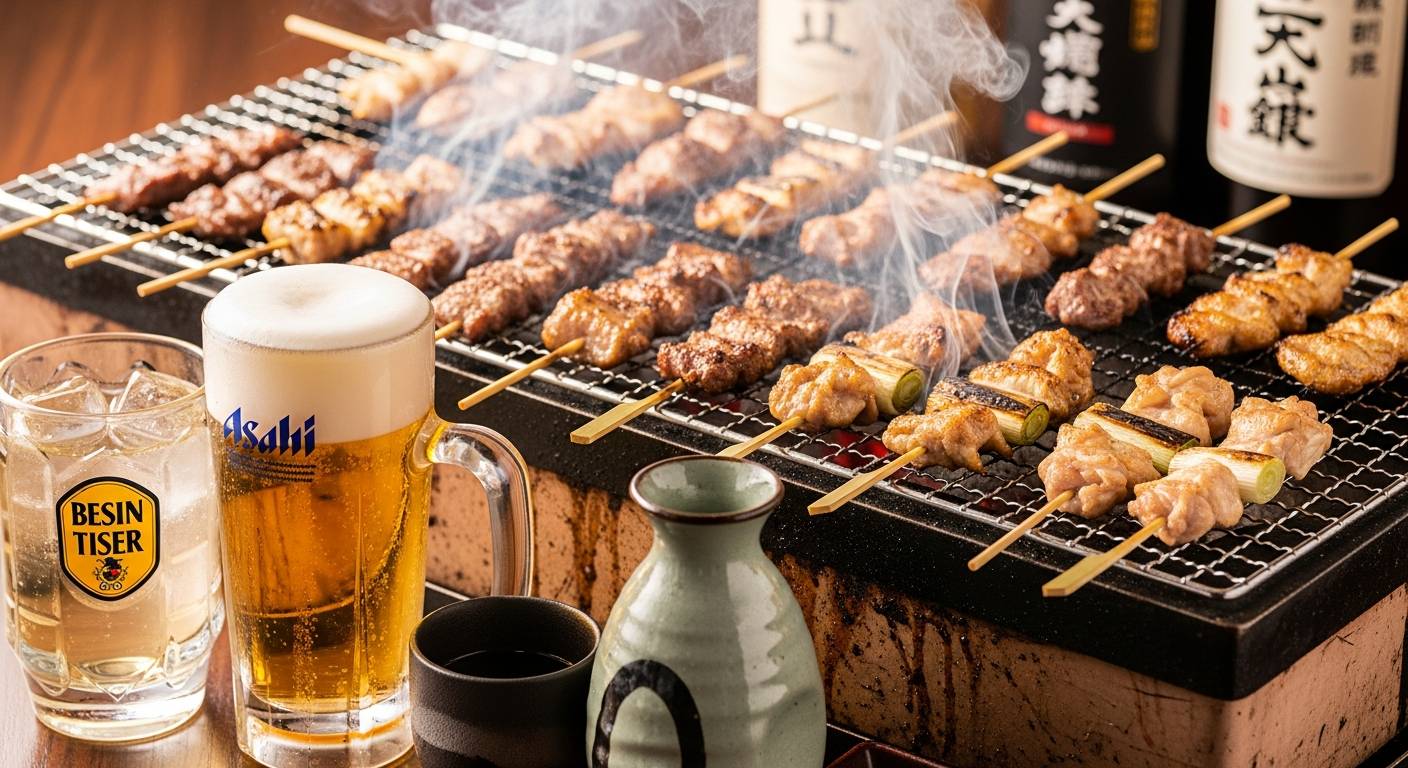
Discovering the perfect beverage to complement the rich, smoky flavors of authentic Japanese yakitori can transform your dining experience from merely satisfying to truly extraordinary. As a culinary tradition dating back centuries, yakitori—those meticulously grilled chicken skewers—deserves thoughtful drink pairings that enhance rather than overwhelm their subtle charcoal-kissed notes. Whether you’re enjoying these delicacies at Tokyo’s finest yakitori establishments like Daigotakumi or preparing them in your home kitchen, understanding the art of yakitori pairing opens a world of gastronomic possibilities. In this comprehensive guide, we’ll explore everything from classic Japanese sake combinations to unexpected international libations that create harmony with different yakitori varieties. From the umami-rich chicken thighs (momo) to the delicate tenderness of breast meat (sasami), each skewer presents unique pairing opportunities for the discerning palate. Join us as we unravel the secrets of elevating your yakitori experience through thoughtfully selected beverages, exploring both time-honored traditions and innovative modern approaches to this beloved Japanese cuisine.
1. Master the Art: Perfect YAKITORI and Wine Pairings for Culinary Enthusiasts
Japanese yakitori—those irresistible grilled chicken skewers—deserves beverages that complement their smoky, savory excellence. While sake might be the traditional choice, wine enthusiasts will discover remarkable pairings that elevate these grilled delicacies to new heights. For classic salt-seasoned (shio) yakitori, reach for a crisp Chablis or unoaked Chardonnay whose mineral notes enhance the clean chicken flavors without overwhelming them. Tare-glazed yakitori—brushed with that sweet-savory soy sauce—pairs beautifully with Pinot Noir, whose red fruit notes and silky tannins balance the caramelized exterior of the meat. For adventurous eaters enjoying liver or heart skewers, consider a Spanish Tempranillo with enough structure to stand up to these intense flavors. Negima (chicken and scallion) skewers find their match in Sauvignon Blanc, whose herbaceous qualities complement the charred green onions. At Tokyo’s renowned Birdland in Ginza, sommeliers often recommend specific regional wines for their premium yakitori omakase courses—proof that this pairing tradition continues evolving. Remember to serve whites slightly chilled and reds at cool room temperature to maintain their aromatic complexity alongside the hot-off-the-grill skewers.
2. Beyond Beer: Unexpected Drink Pairings That Elevate Your YAKITORI Experience
While beer remains the classic companion to yakitori, venturing beyond this traditional pairing opens up a world of flavor possibilities that can transform your grilled chicken experience. The smoky, savory nature of yakitori creates a versatile canvas for unexpected drink pairings that might surprise even the most dedicated food enthusiasts.
Sake, Japan’s national beverage, offers remarkable versatility when paired with yakitori. For rich, fatty cuts like chicken thigh (momo) or skin (kawa), opt for a junmai sake with robust umami notes that stand up to the intense flavors. For more delicate items such as chicken breast (sasami) or tsukune (chicken meatballs), a light, fruity ginjo sake provides a refreshing counterpoint without overwhelming the subtle flavors.
Natural wines have emerged as an exciting yakitori companion in trendy izakayas across Tokyo and New York. A chilled orange wine, with its slight tannic structure and vibrant acidity, creates an intriguing contrast with charcoal-grilled skewers. At Torishin in Manhattan, their sommelier often recommends minimal-intervention wines from small Japanese producers to complement their Michelin-starred yakitori.
For non-alcoholic options, premium Japanese tea offers sophisticated pairing possibilities. Hojicha, a roasted green tea, develops caramel notes that echo the Maillard reaction in grilled meats. At Torien in New York, they serve a specially brewed cold hojicha that cleanses the palate between rich yakitori courses.
Whisky enthusiasts should explore Japanese highballs—whisky diluted with soda water—which provide refreshment while the underlying malt notes complement smoky yakitori. The carbonation helps cut through fattier cuts, while the whisky’s complexity stands up to intense tare-glazed skewers.
Unconventional yet delightful is yuzu-based drinks, whether alcoholic or non-alcoholic. The bright citrus notes of yuzu cocktails or yuzu soda provide a palate-cleansing counterpoint to umami-rich yakitori. At Bincho in London, their house-made yuzu spritz has become a signature accompaniment to their coal-fired skewers.
For those seeking adventure, try umeshu (plum wine) with chicken liver or heart skewers. The sweet-tart profile of this traditional Japanese liqueur balances the mineral intensity of offal cuts. Similarly, a dry sherry creates a surprisingly harmonious match with more robust yakitori selections.
The next time you indulge in yakitori, consider moving beyond the expected beer pairing to discover combinations that might just elevate your dining experience to new heights. Whether it’s the elegant simplicity of sake or the unexpected charm of orange wine, the right beverage pairing can transform good yakitori into an unforgettable culinary journey.
3. Seasonal YAKITORI Pairings: Matching Your Skewers with Japanese Craft Beverages
The art of seasonal eating runs deep in Japanese culinary tradition, and YAKITORI is no exception. Each season brings unique skewer preparations that pair exquisitely with specific Japanese beverages, creating harmony between food and drink that celebrates the moment.
Spring ushers in tender chicken with fresh green onions (negima) and asparagus skewers that call for light, floral sake varieties. Dassai 45, with its clean profile and subtle fruity notes, enhances the delicate spring flavors without overwhelming them. Alternatively, a citrusy Hitachino Nest White Ale brightens these springtime offerings with its refreshing character.
Summer heat demands refreshment, making chicken thigh with shiso leaf and juicy tsukune (chicken meatballs) popular choices. These pair magnificently with chilled junmai ginjo sake like Hakkaisan or a crisp Suntory Premium Malt’s beer. For those seeking non-alcoholic options, yuzu-infused sparkling water provides a zesty complement to summer’s robust yakitori flavors.
Autumn brings richer preparations like liver, hearts, and mushroom-wrapped thigh meat. These substantial skewers find perfect companions in aged koshu sake such as Katsuyama Lei, whose deeper umami notes mirror autumn’s intensity. The smoky-sweet Nikka Coffey Grain whisky also stands up beautifully to these more assertive seasonal offerings.
Winter calls for warming combinations: chicken and leek skewers with a touch of yuzu kosho, or chicken wings with seven-spice powder. These cold-weather favorites shine alongside heated shochu like iichiko Silhouette or robust Japanese craft porters from breweries like Baird Brewing. The warming ginger notes in Yamazaki whisky also create a comforting winter pairing experience.
For an authentic seasonal experience, many respected yakitori establishments like Torishin in New York or Bird Land in Tokyo offer special pairing menus that rotate with the seasons, allowing guests to experience these harmonious combinations crafted by experts who understand the subtle interplay between grilled skewers and Japanese beverages.
4. The Sommelier’s Guide to YAKITORI: Elevating Grilled Chicken with Fine Drinks
Pairing yakitori with the right beverages can transform a simple grilled skewer into a sophisticated culinary experience. While many enthusiasts default to beer, a thoughtful drink selection can highlight the nuanced flavors of each skewer type. Let me share professional insights on elevating your yakitori experience through expert pairings.
For salt-seasoned chicken breast (sasami), consider a crisp Chablis or unoaked Chardonnay. The wine’s mineral notes complement the clean protein flavors without overwhelming them. When enjoying the rich, fatty thigh meat (momo), reach for a medium-bodied Pinot Noir or a premium junmai ginjo sake with fruity undertones to cut through the richness.
Chicken skin (kawa) demands something with effervescence. Champagne or a dry prosecco works wonderfully here, as the bubbles refresh the palate between bites of crispy, rendered fat. For liver skewers (reba), which offer intense iron-rich flavors, try an aged Amontillado sherry or a smoky Islay Scotch whisky to match its boldness.
Heart skewers (hatsu) pair excellently with bright, acidic drinks like a Riesling or even a yuzu-based cocktail. The acidity cuts through the mineral qualities while enhancing the meat’s natural sweetness. For the beloved chicken meatball (tsukune), dipped in sweet tare sauce, opt for a fruity sake like Dassai 23 or a plum wine (umeshu) that echoes the sauce’s sweetness.
At Tokyo’s famed Birdland in Ginza, they offer a curated wine and sake selection specifically designed for their yakitori omakase. The sommeliers there suggest that white wines with good acidity generally pair better with most yakitori varieties than tannic reds.
For those who prefer beer, move beyond standard lagers. A wheat beer pairs beautifully with salt-based skewers, while amber ales complement tare-glazed options. Hitachino Nest White Ale, with its citrus notes and smooth finish, makes an excellent companion to a varied yakitori assortment.
Remember that temperature matters tremendously. Sake should be served slightly chilled for yakitori—not hot—to preserve its subtle notes. Similarly, white wines should be cool but not ice-cold to allow their flavors to fully express alongside the grilled meat.
The next time you visit an establishment like Torishin in New York or Toritama in Hong Kong, engage with their beverage experts. A thoughtfully paired drink doesn’t just accompany yakitori—it completes the story of each carefully grilled skewer, transforming a meal into a memorable gastronomic journey.
5. Traditional Meets Modern: Innovative Beverage Pairings for Authentic YAKITORI
The art of pairing beverages with yakitori has evolved beyond traditional Japanese drinks. Innovative combinations are now enhancing this culinary experience, creating unexpected flavor profiles that complement the charcoal-grilled skewers perfectly.
Craft beer has emerged as a stellar companion to yakitori. The hoppy bitterness of an IPA cuts through the richness of fatty chicken thigh skewers (momo), while a malty amber ale harmonizes with the subtle sweetness of chicken-and-scallion skewers (negima). Robata Izakaya in New York offers a remarkable selection of Japanese craft beers specifically selected to complement their yakitori menu.
Natural wines provide another contemporary pairing option. Low-intervention white wines with high acidity balance the smokiness of grilled chicken, while light-bodied, chilled red wines enhance umami flavors in organ meats like liver or heart. At Yakitori Totto in Manhattan, their curated natural wine list has become as renowned as their skewers.
For non-alcoholic options, artisanal yuzu sodas offer bright citrus notes that refresh the palate between bites. House-made shiso lemonade provides herbaceous complexity that stands up to yakitori’s bold flavors. Specialty tea pairings are also gaining popularity—hojicha (roasted green tea) brings out the charcoal notes in the grilling process.
Cocktail pairings represent perhaps the most innovative approach. A smoky whisky highball with a spritz of yuzu essence mirrors yakitori’s flame-kissed character. Shiso-infused gin and tonic provides herbal notes that complement chicken’s natural sweetness. At Bincho in London, their signature cocktail program features drinks specifically designed around yakitori flavor profiles.
These modern pairings respect tradition while introducing new dimensions to yakitori enjoyment, proving that this centuries-old cooking method continues to inspire culinary creativity across cultures and beverages.
この記事へのコメントはありません。